
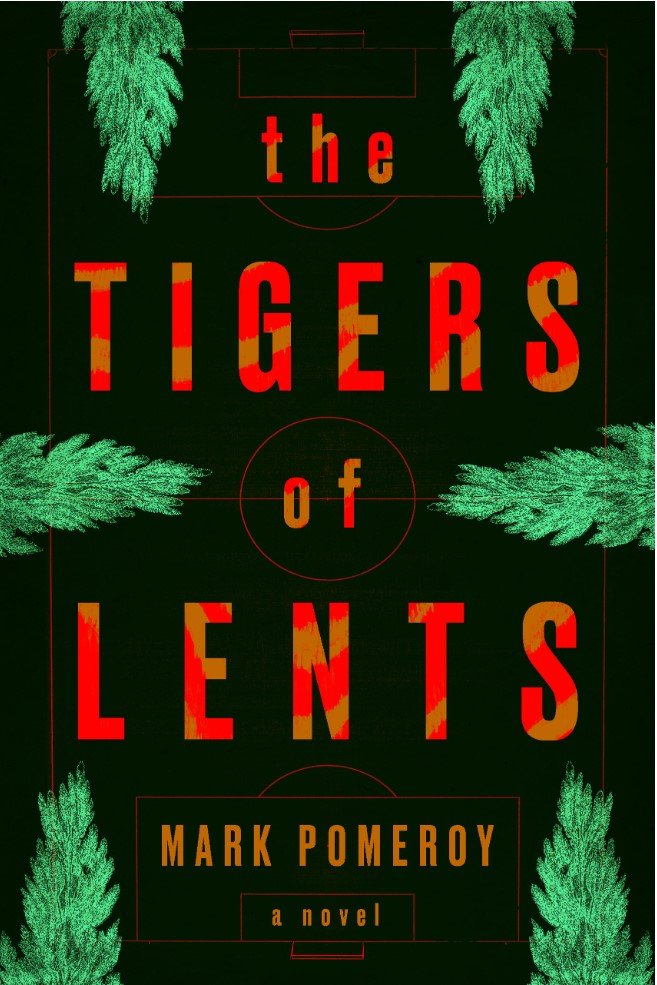
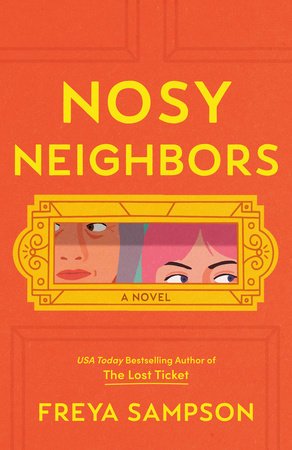
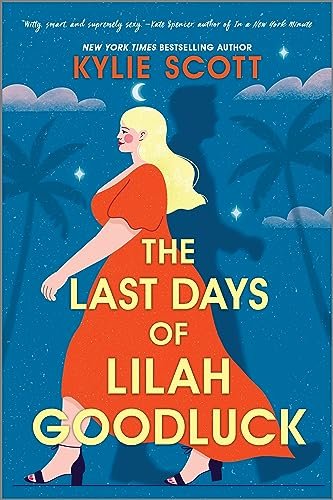
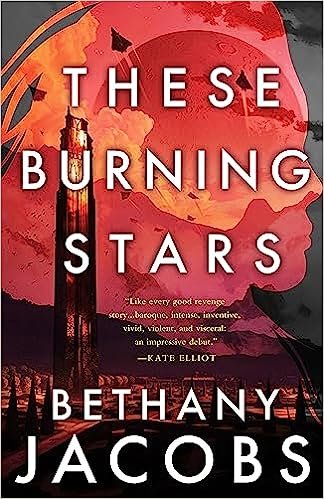
Recent Favorite Projects
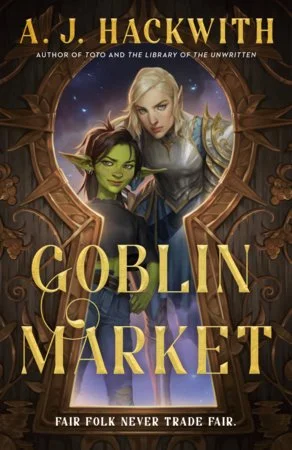
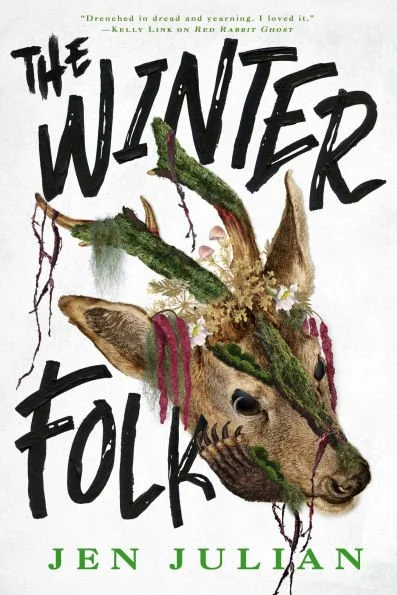
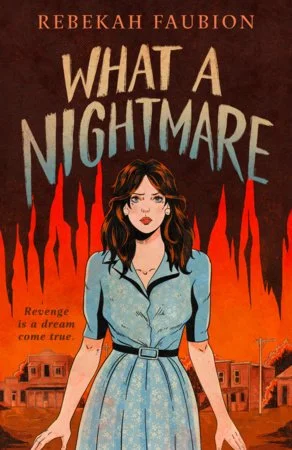
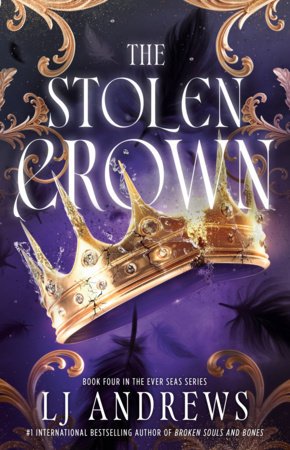


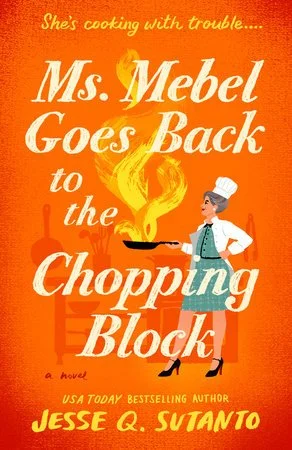

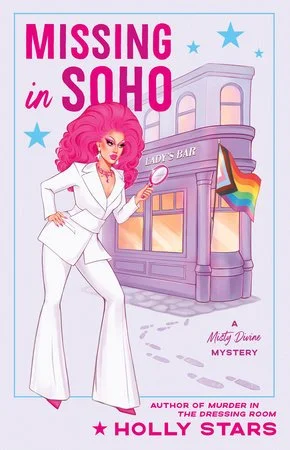


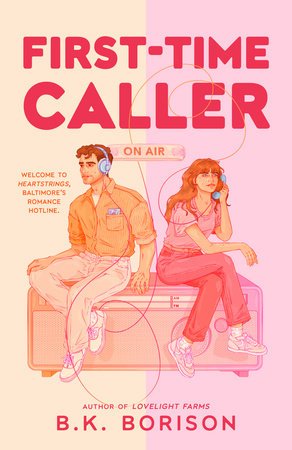
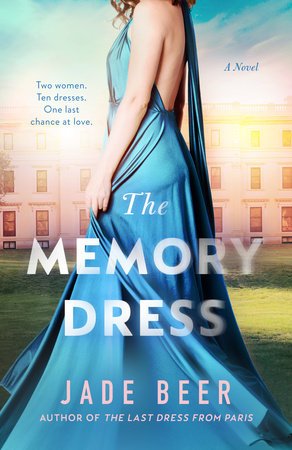
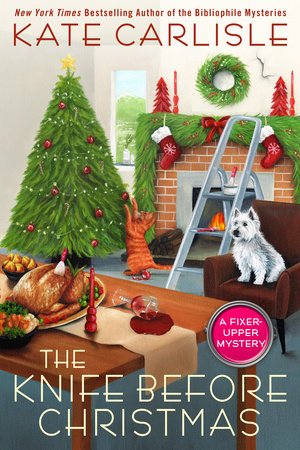

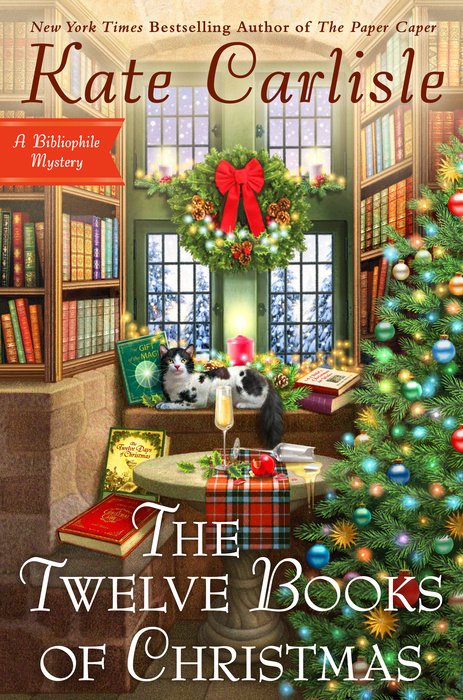
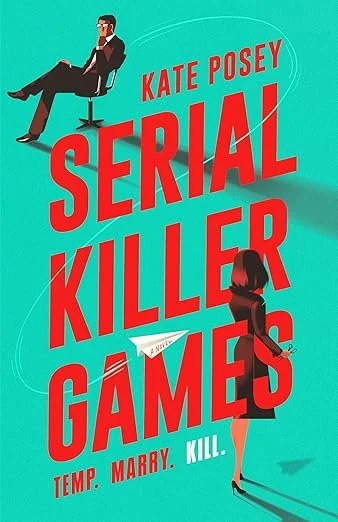
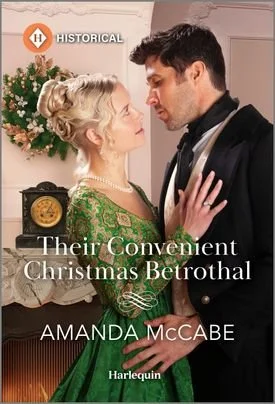
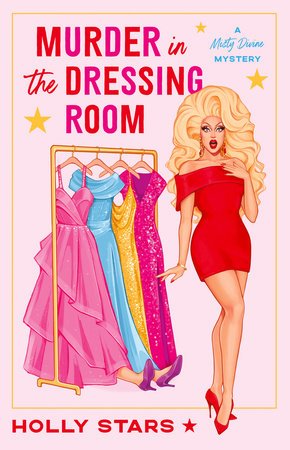
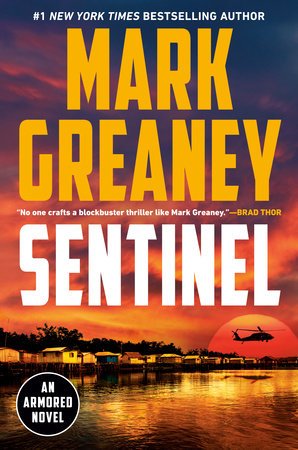
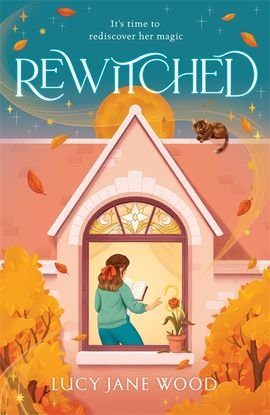
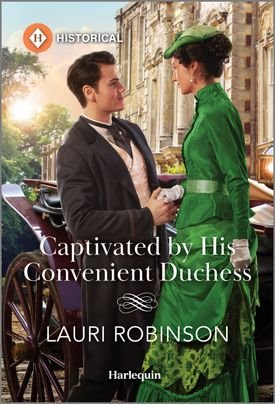
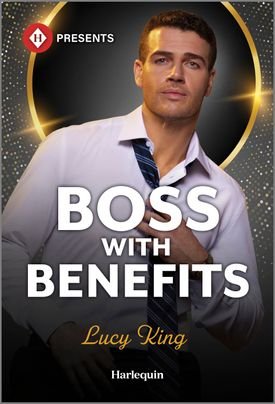
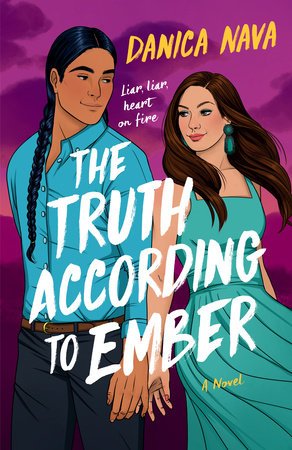
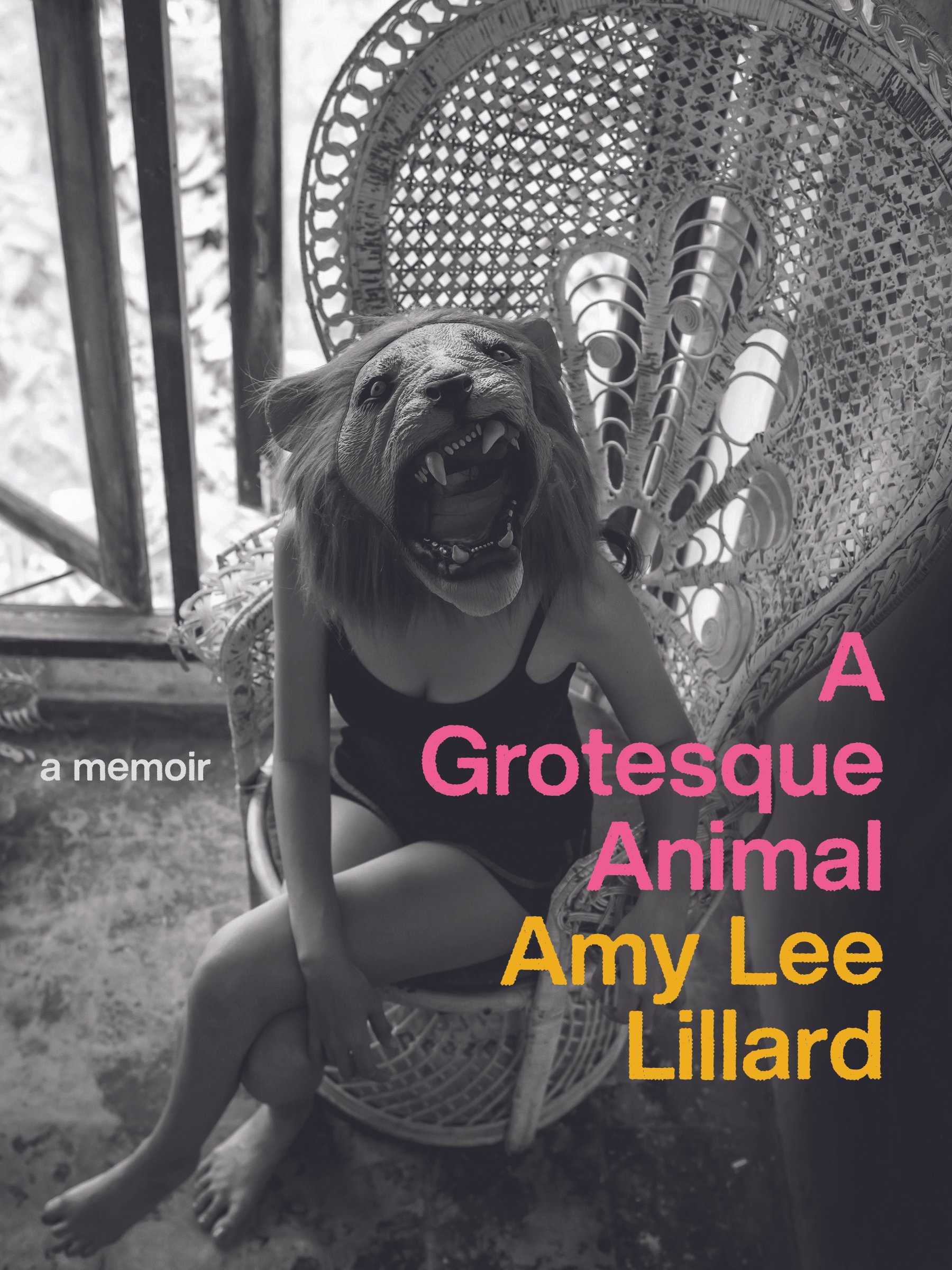
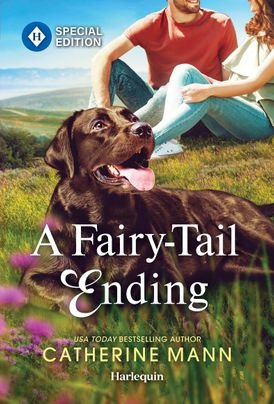
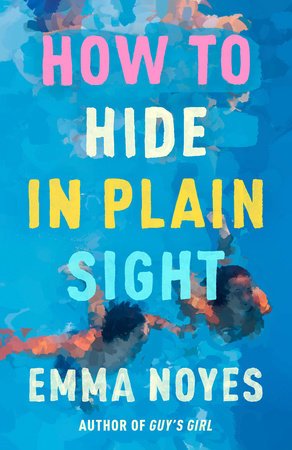
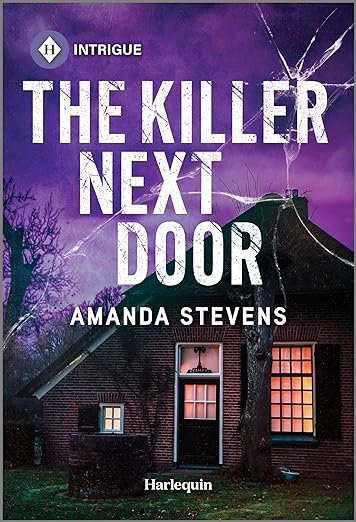
Click cover to visit publisher bookstore page
Services & Pricing
(Matches average rates from the EFA)
Copyediting
2.25 Cents per Word
(Word Count x 0.0225 = $Cost)
Makes sure your book is grammatically correct, consistent, and readable.
“Copyediting” is a commonly misunderstood term, but for book publishing, it specifically refers to the stage just before the book is typeset, when all possible errors and misreadings are fixed. (The copyediting round will not help you improve your content; for that, you’ll need to find a developmental editor.)
Copyediting also makes sure the formatting of your page and words match standards and expectations of the country you want to publish in. But I’ll always defer to an author’s preference if there’s a particular way they like to do things. I edit books in both American and British English, and I’ve edited several titles from Canada, Australia, and other English-speaking countries.
Each copyedit includes a full style sheet and a file cleanup. The style sheet helps maintain consistency when the book moves on to typesetting and then proofreading. I will complete a file cleanup after each query has been addressed and all changes have been approved.
Proofreading
1.75 Cents per Word
(Word Count x 0.0175 = $Cost)
Makes sure your book is error-free and ready to publish.
After a copyedit is completed and the book has been laid out by a typesetter, you’ll want a proofreader to find any lingering mistakes and look for any new errors introduced during layout. If you’re using a print-on-demand service, you can request printed proofs or the typeset PDF file for review.
Many self-published authors have the proofread done as a last check before going to print, but if the book is going to have a paper version, it’s best to have someone read through the page proofs. After all, that’s where the name “proofreader” comes from.
The final proofread includes fixing small mistakes in grammar, punctuation, design problems, and any other obvious errors. I will complete a file cleanup after my queries have been addressed and all changes have been approved. Or if you’re working with a book designer, they can implement the final changes
Note: I will not perform a proofread if the book has not been copyedited first.

Current Clients


About

I’ve been editing fiction for eighteen years and freelancing as a copy editor and proofreader for fourteen, averaging fifty books per year. I’ve worked with trade publishers, university presses, editing firms, and talented indie authors.
I specialize in several genres: romance, mystery, suspense, sci-fi and fantasy—and all the various subgenres found therein. Whatever your focus is, I can match it to make your book the best it can be.
I’ve been trusted with bestselling series and award-winning literature for years, and I can help you with your book too, however big or small.
~ Will Tyler

Memberships


Testimonials
“I’ve had five novels published by traditional publishing houses, including an NYT bestseller, so I was looking for an editor who had that level of professional skills and know-how, and Will delivered. I received sample edits from a number of editors before making my choice, and the others either missed some very basic errors, or nitpicked and tried to rewrite the novel. Will got it all right, he worked quickly and accommodated my delays, and he offers something none of the others even mentioned—a style sheet, which is an essential tool for the final proofreader. Will is absolutely an editor to be trusted. He has experience working with a major publishing house, his prices are very reasonable, and he’s lovely to work with.”
“Will gave me exactly what I needed, excellent direction on where I could go with my book when I had come to a place in the process where I wasn’t quite sure how to move forward. I’m very thankful for his input.”
“I really enjoyed working with Will. He’s insightful, responsive, and did a terrific job with my manuscript. I would definitely work with him again. Highly recommended.”
“Will was great! He was extremely thorough and professional. He got done well before his contracted time. I am a new writer and really had no idea what I was doing, and he was very helpful and had endless patience.”
“Will is insightful, interested, and engaged. Easy to reach and communicate with—always incredibly professional and diligent. Above that, he is creative, so working with him is fun, solving problems and finding opportunities. I couldn’t recommend him enough.”

Past Favorite Projects
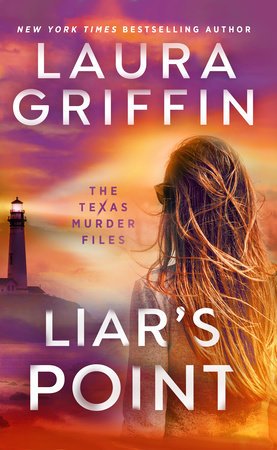

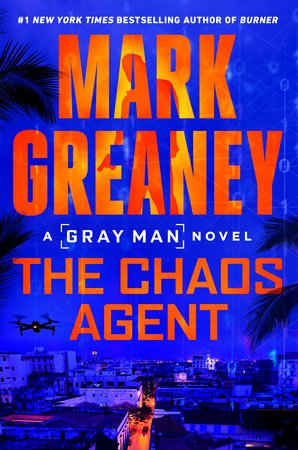

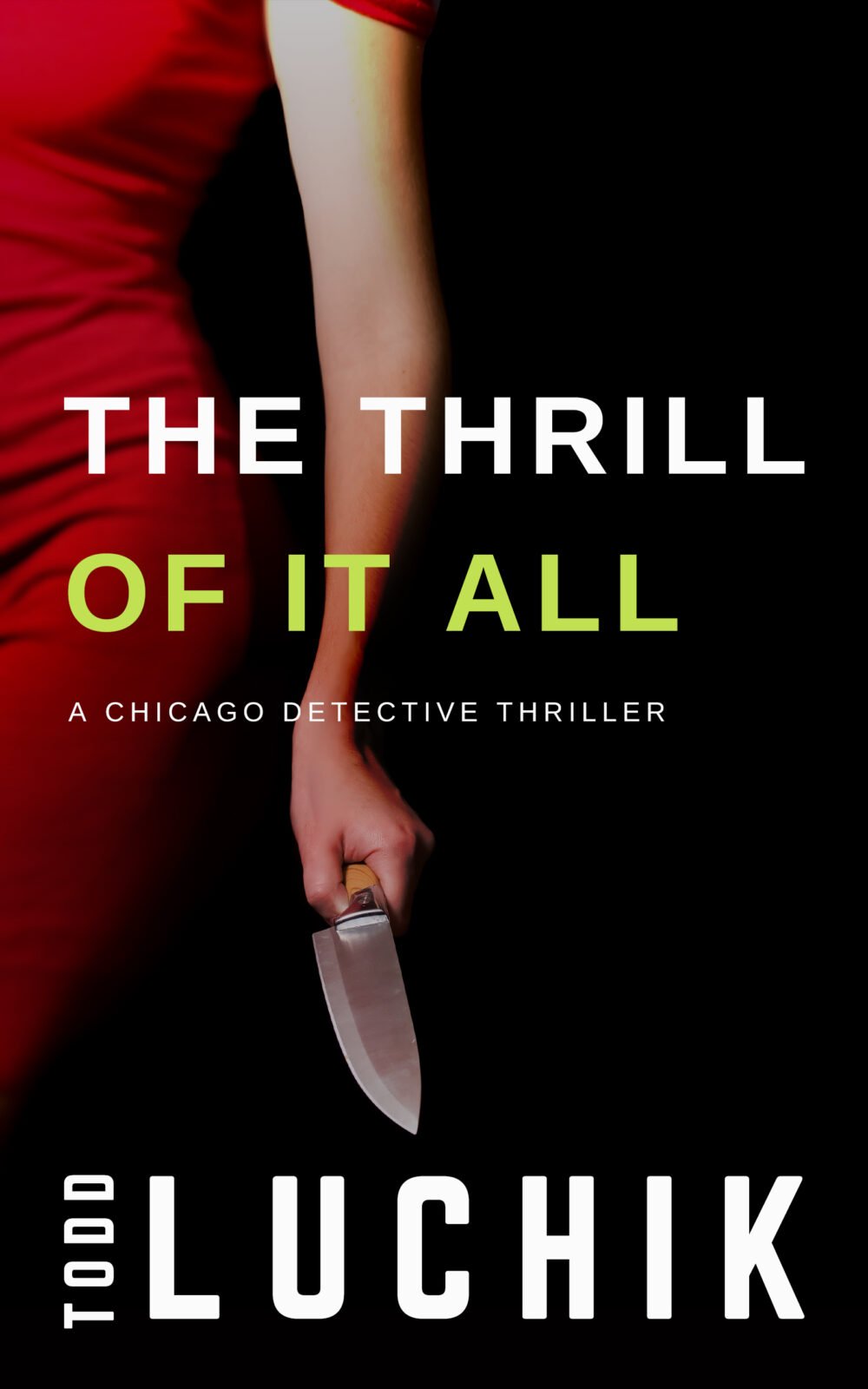
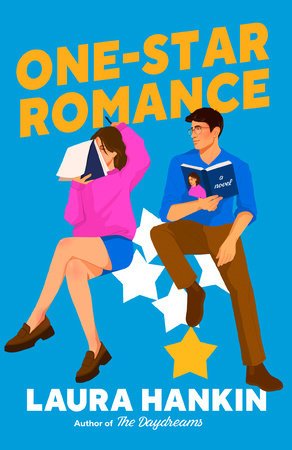
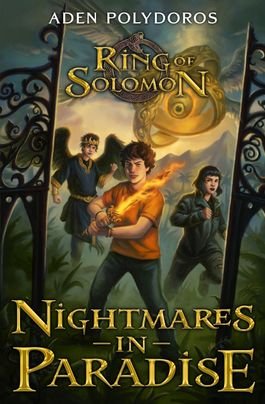
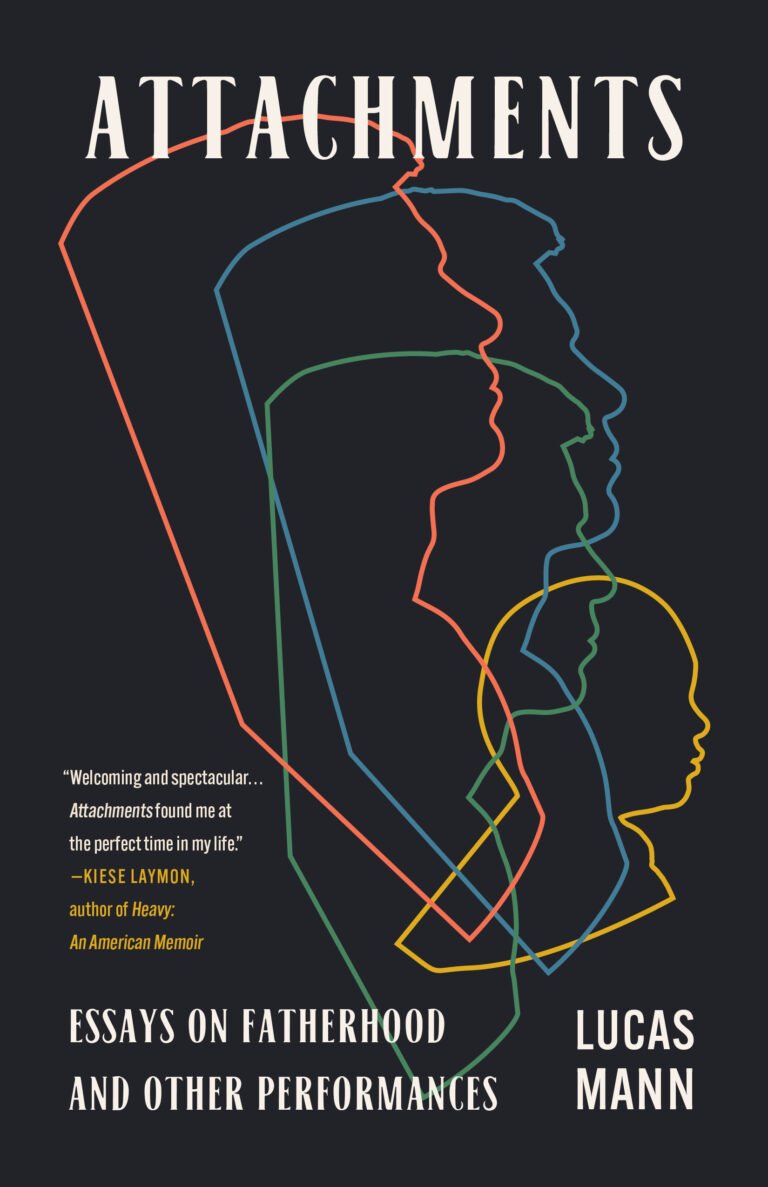
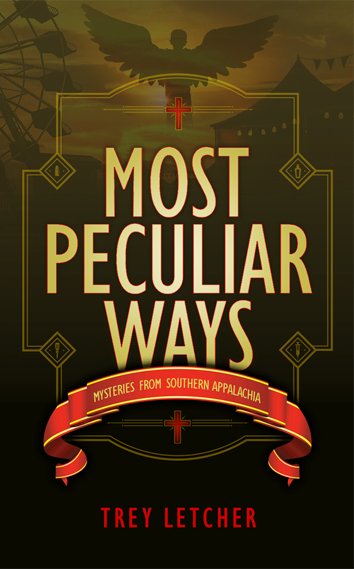
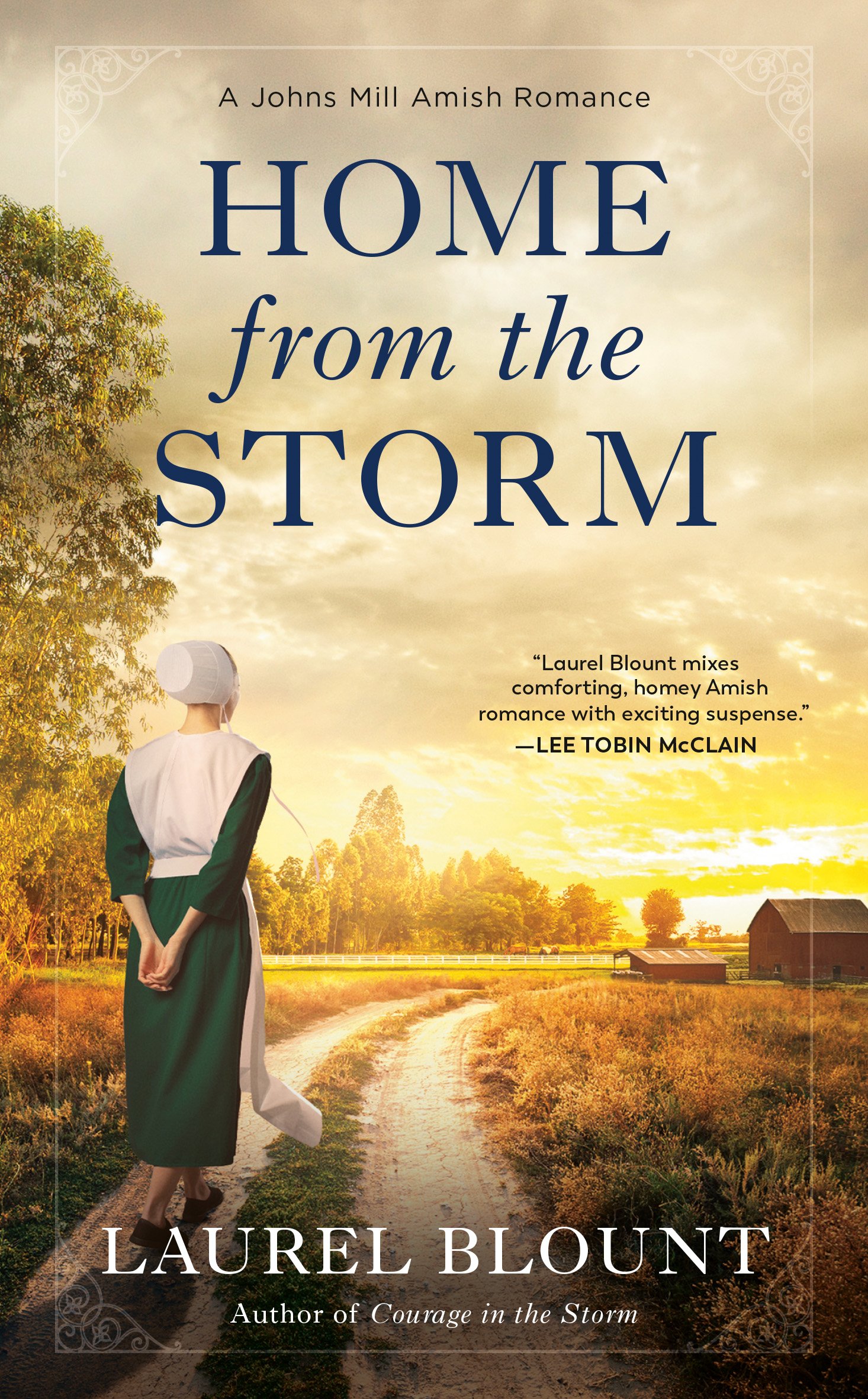
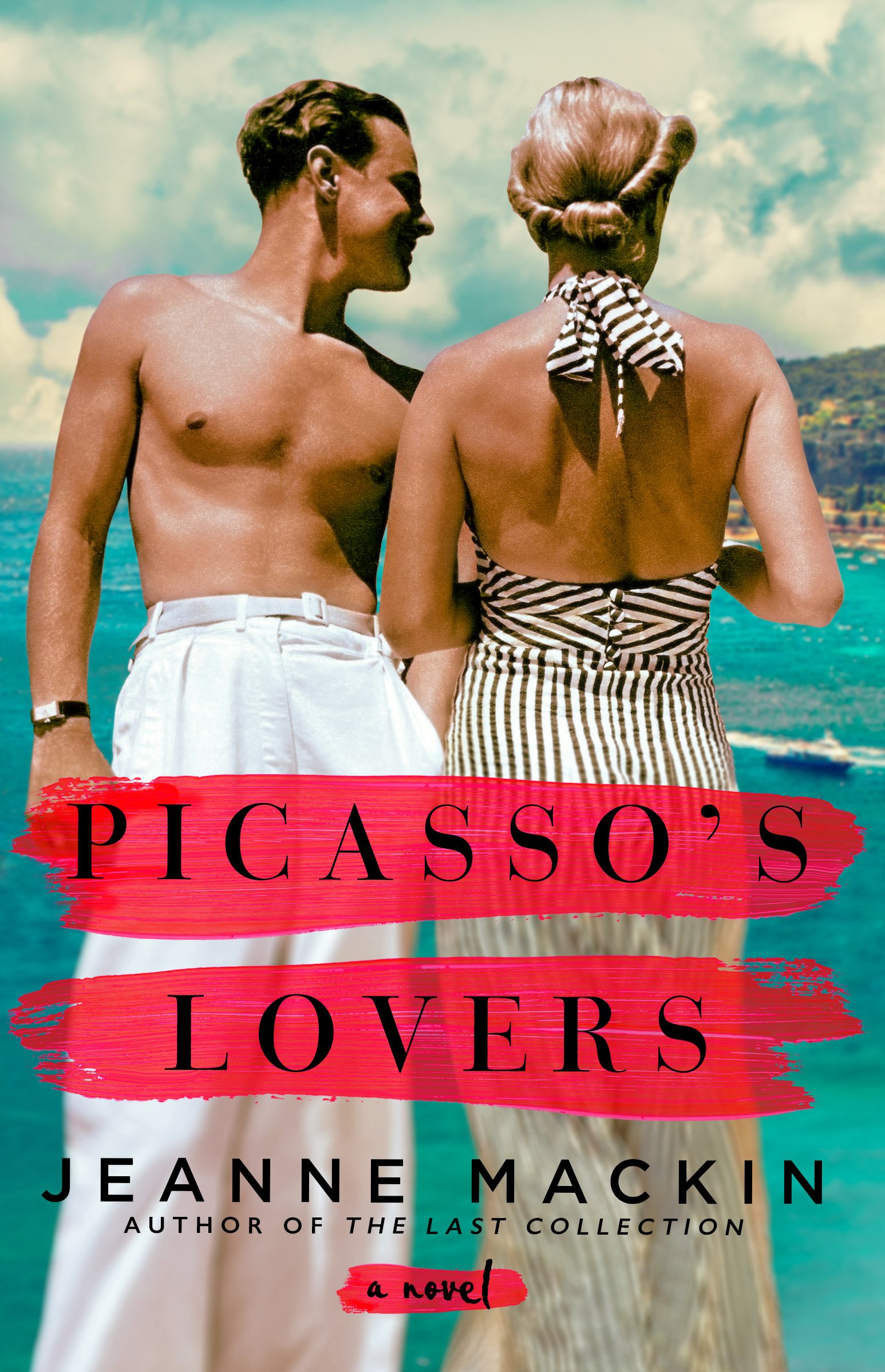
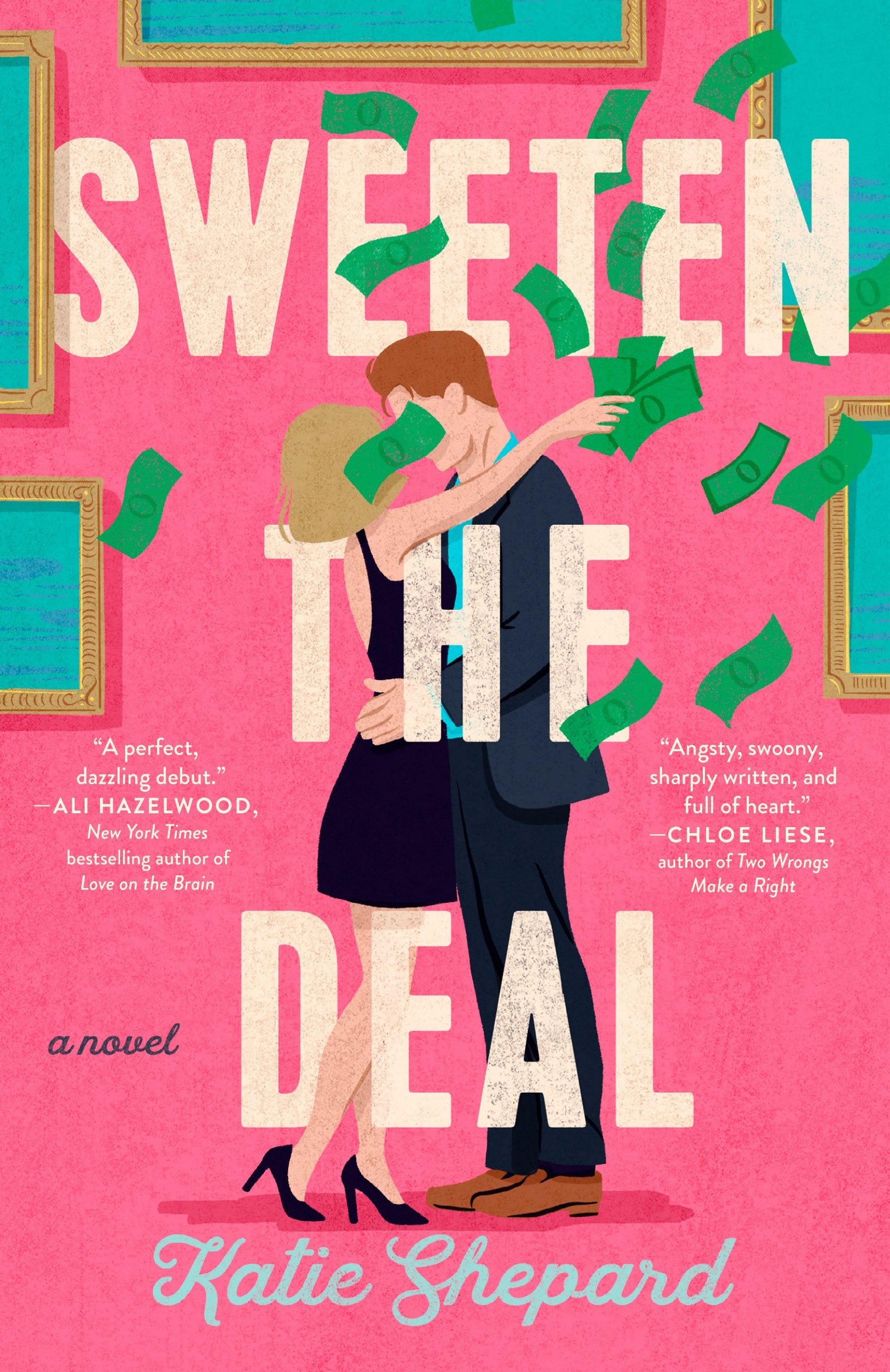
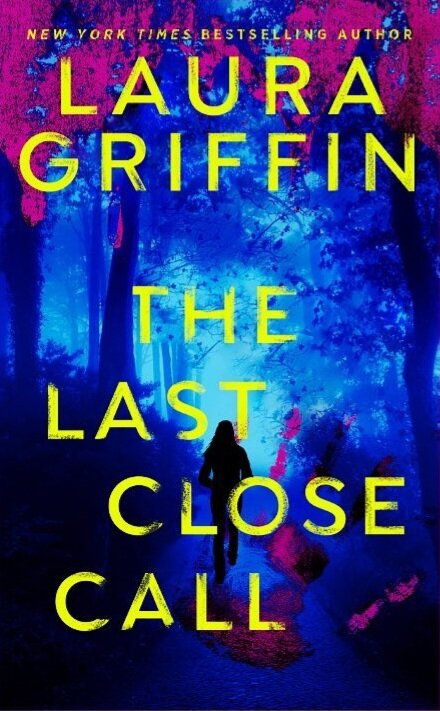

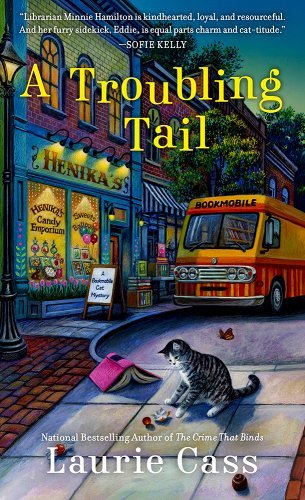

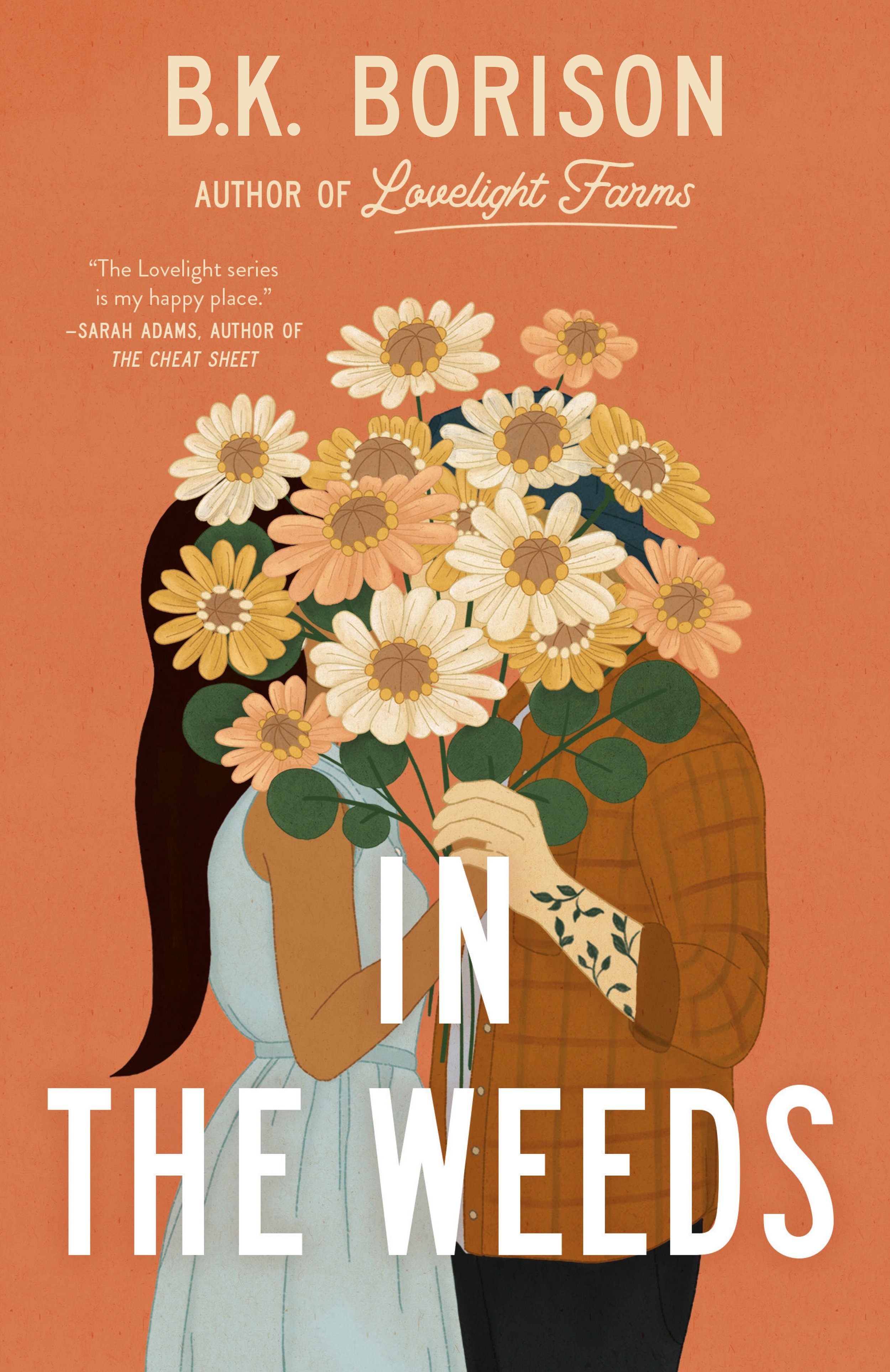
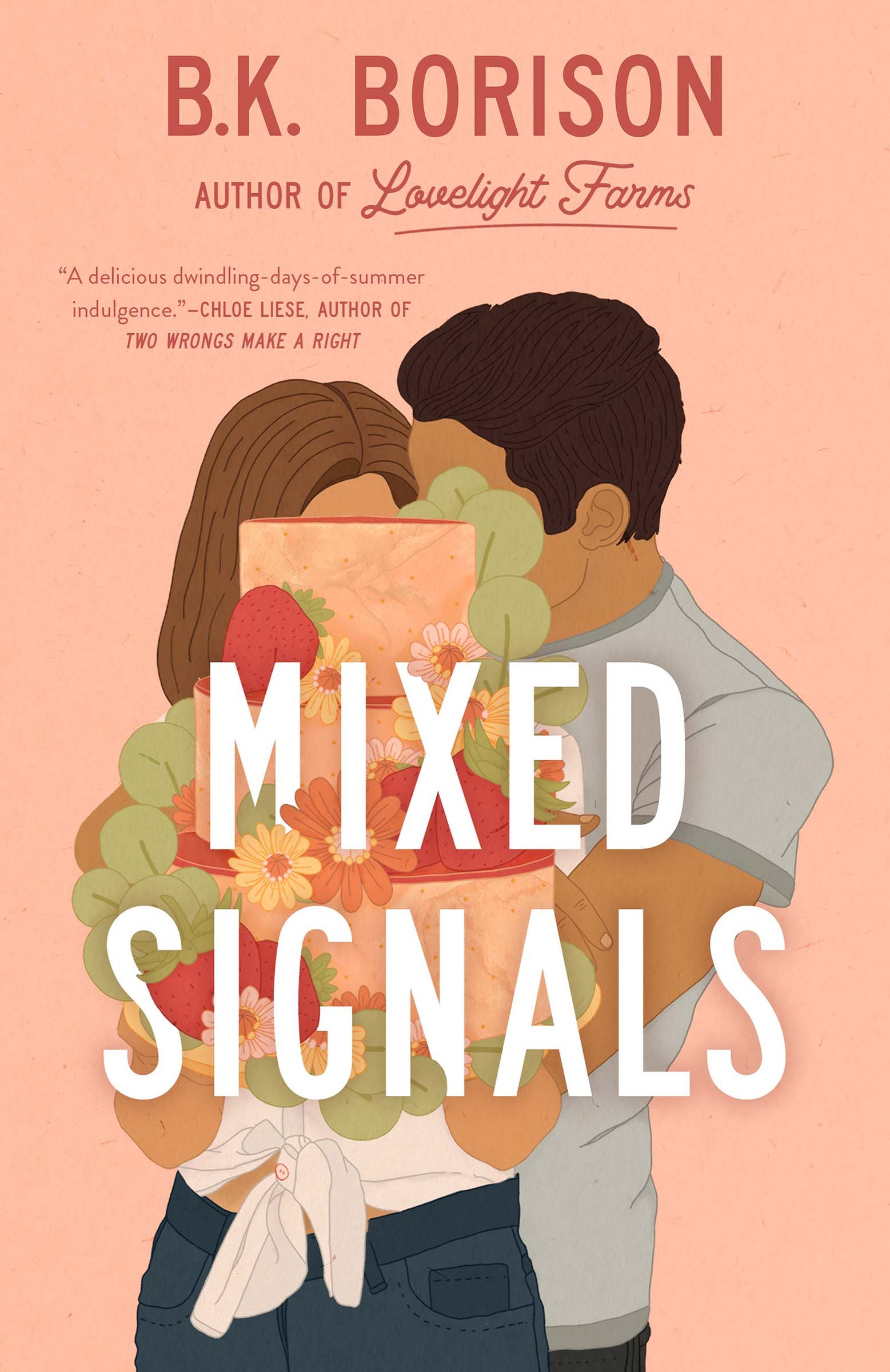

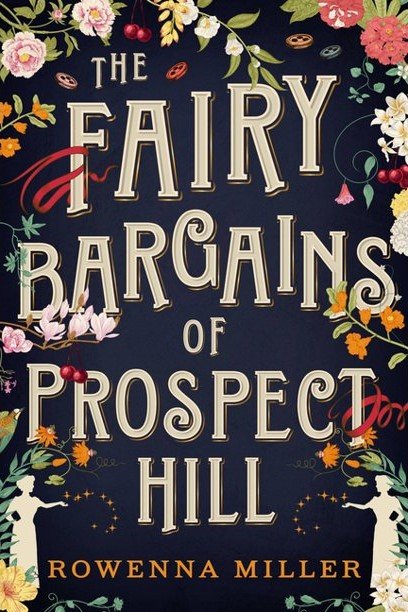
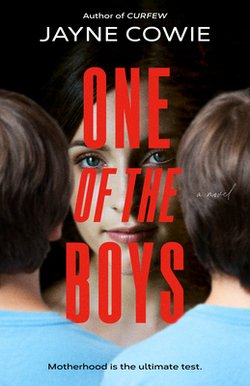
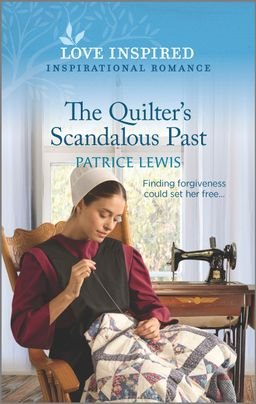
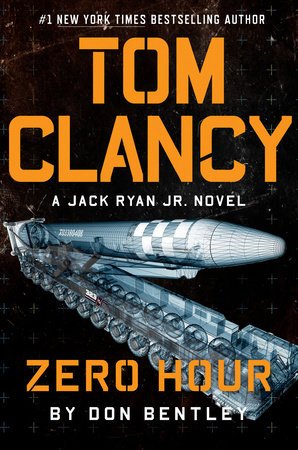

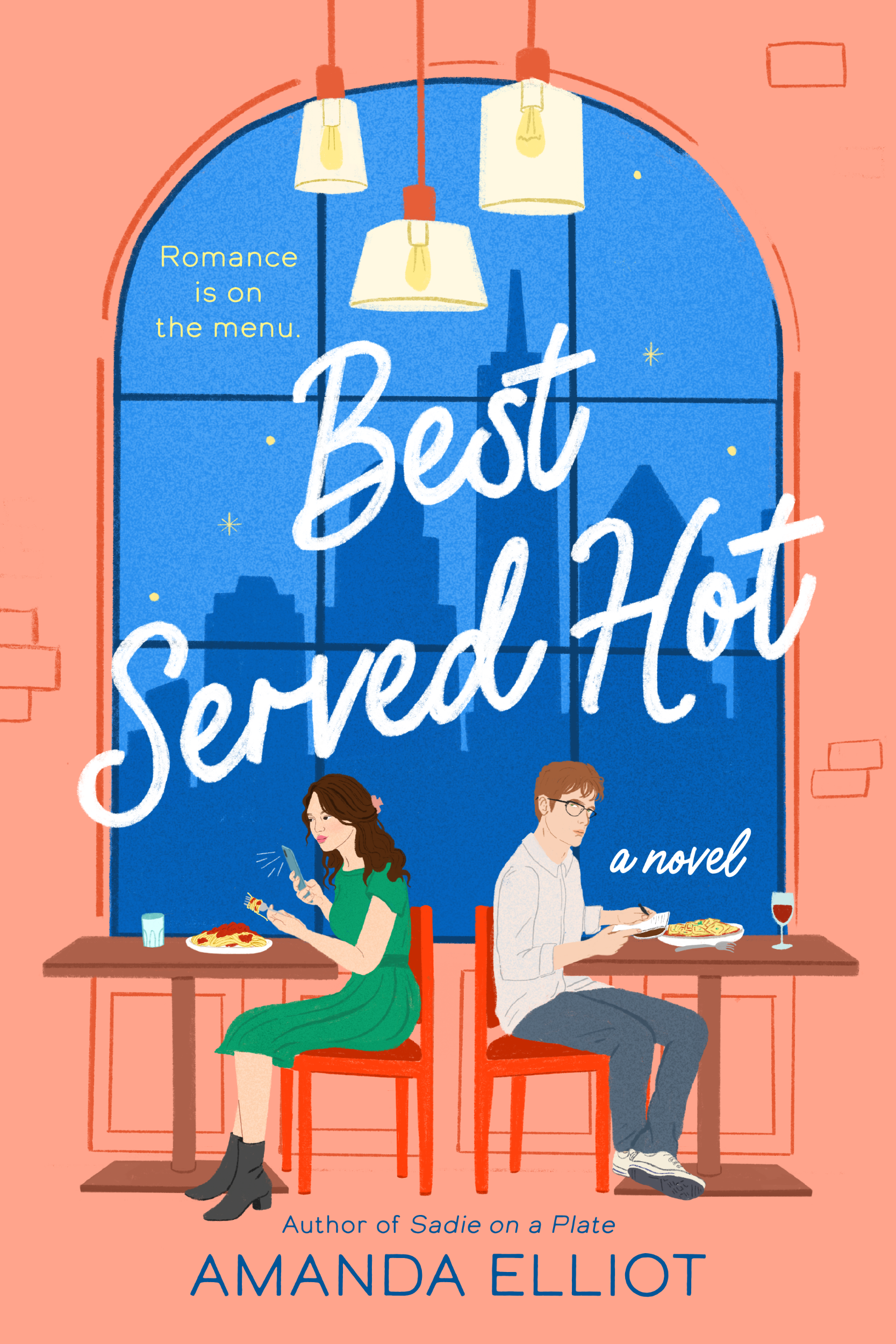
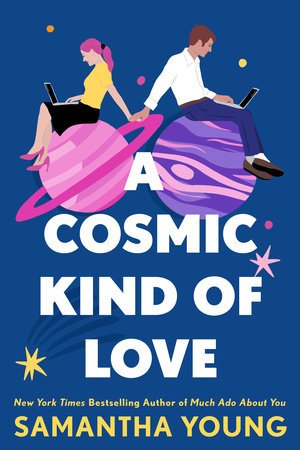
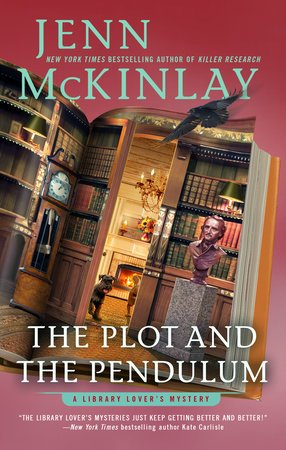
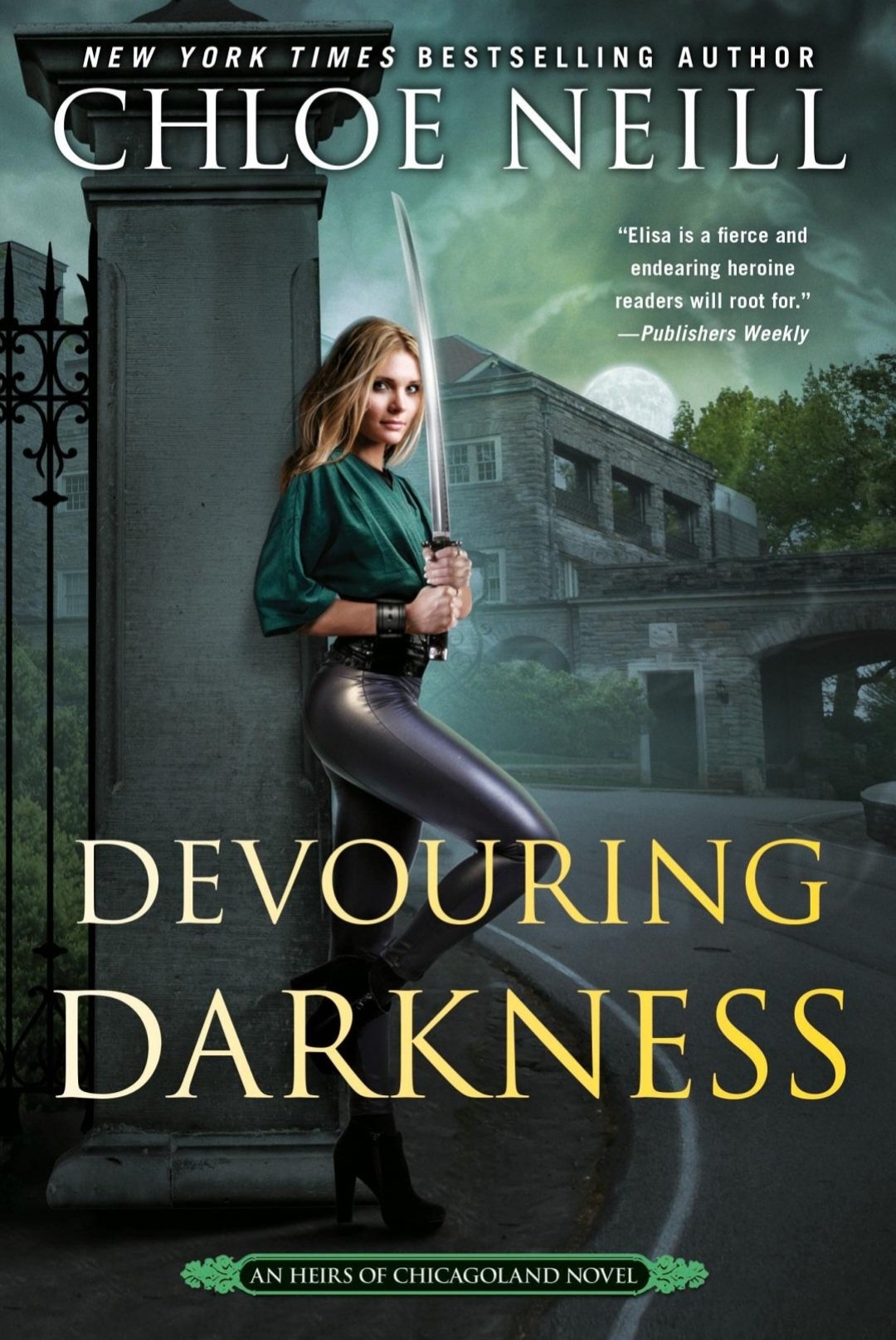
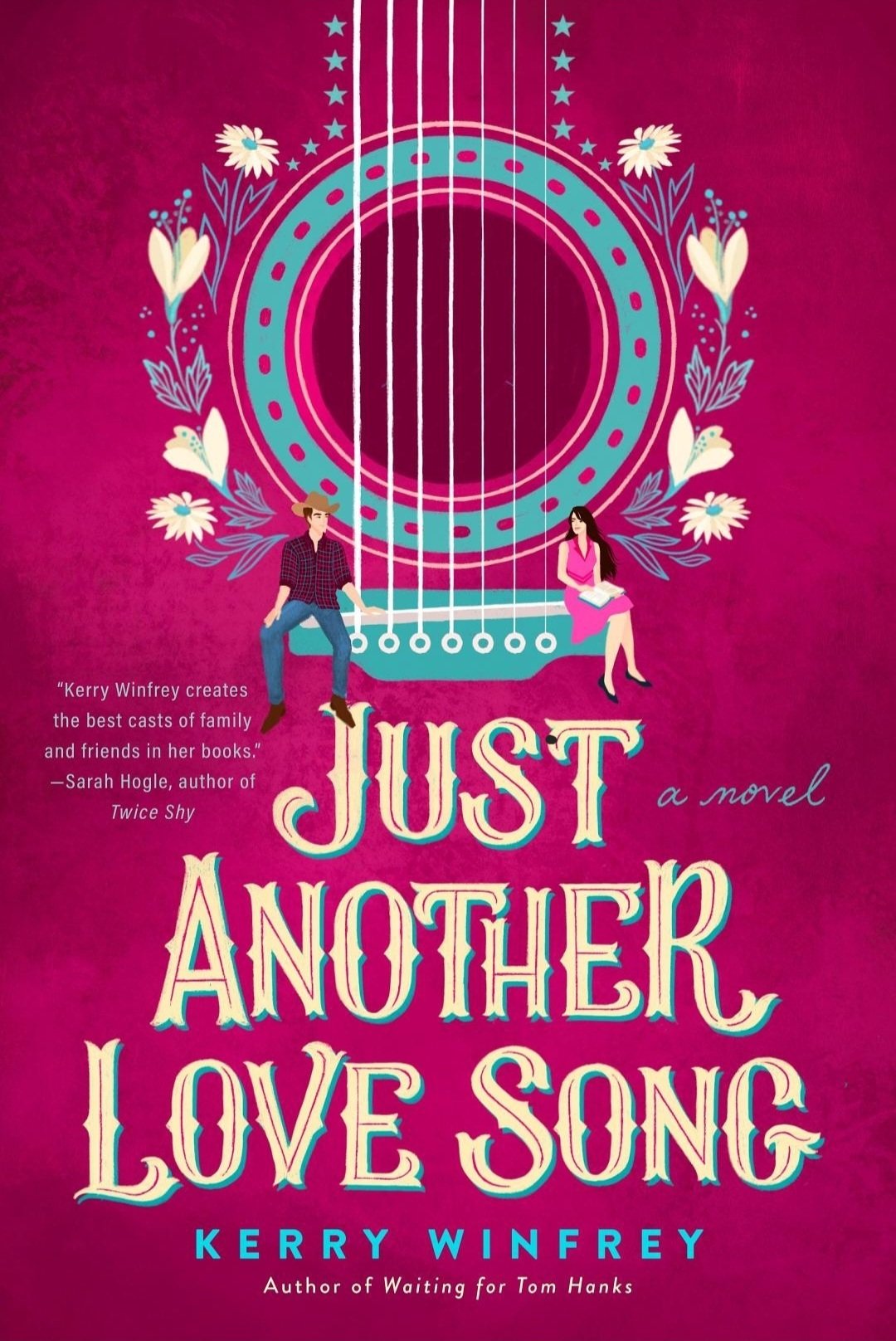
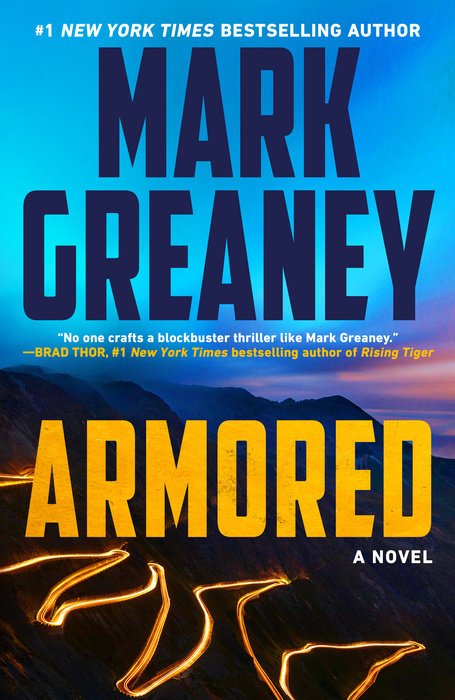
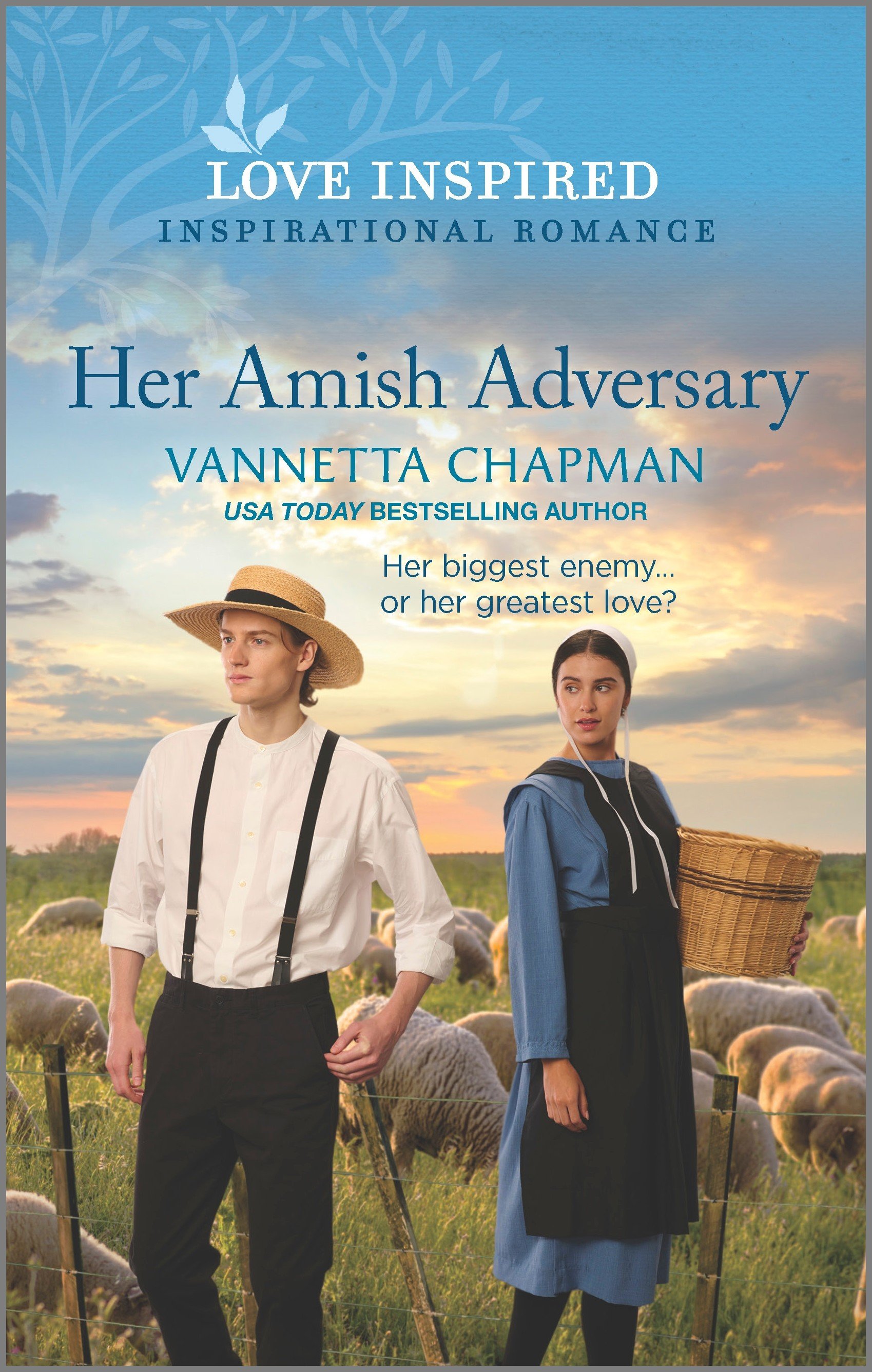
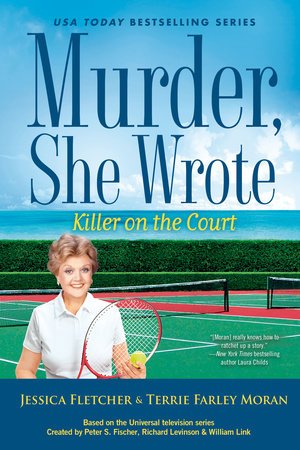
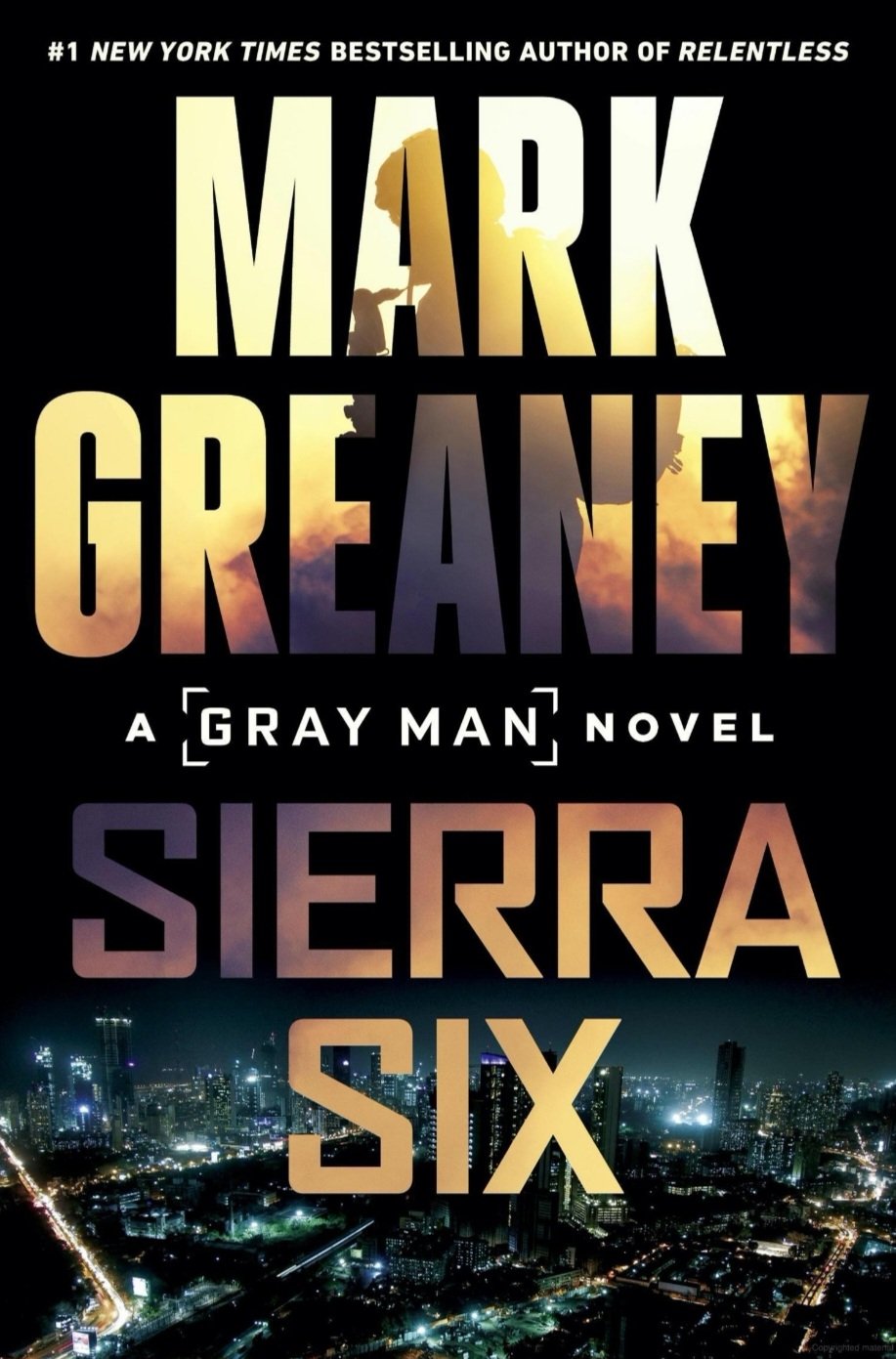
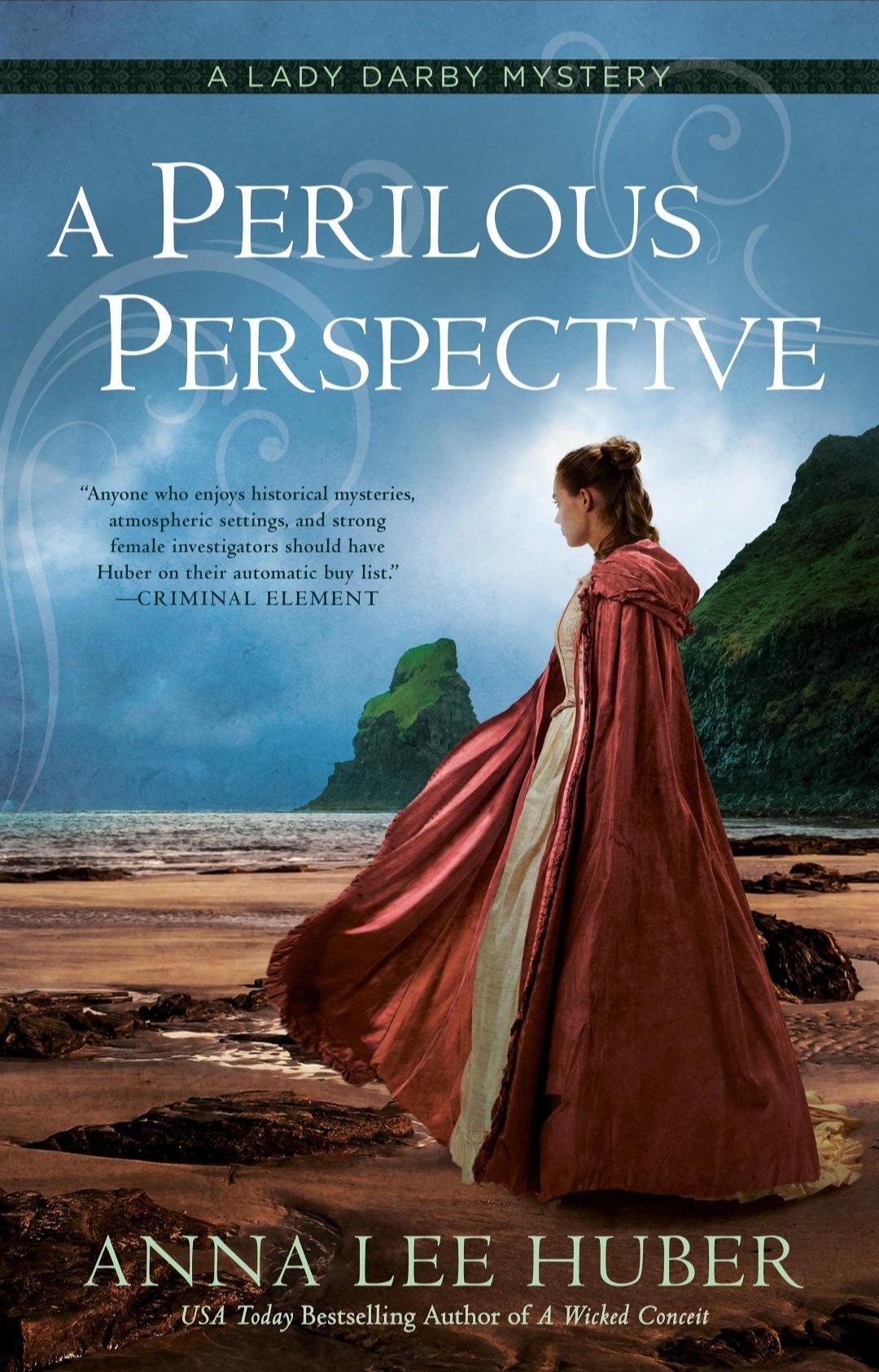
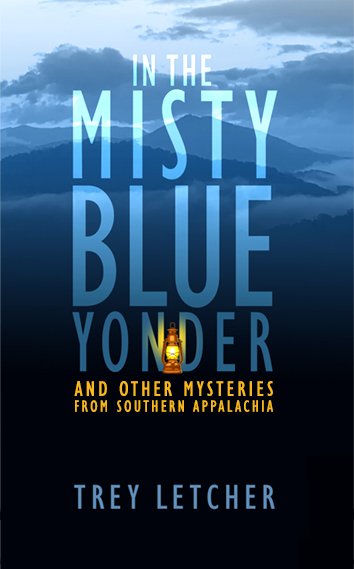
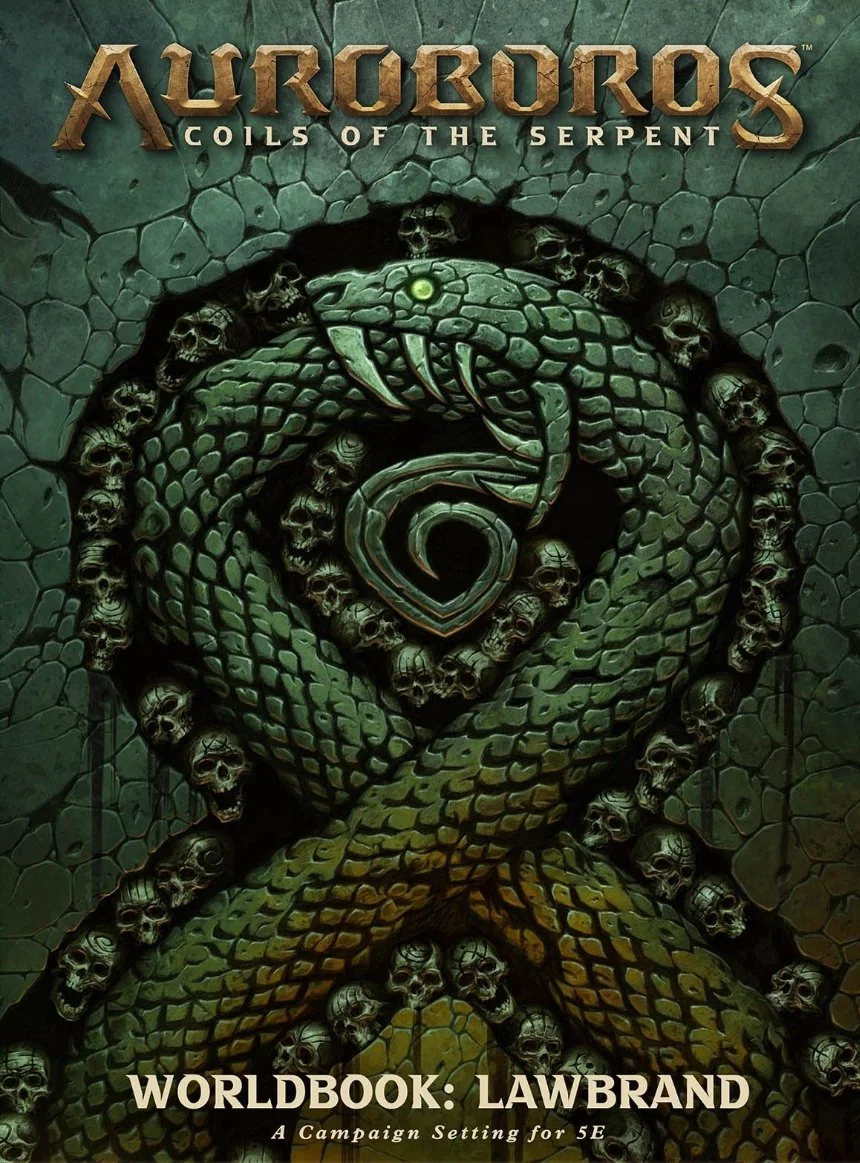
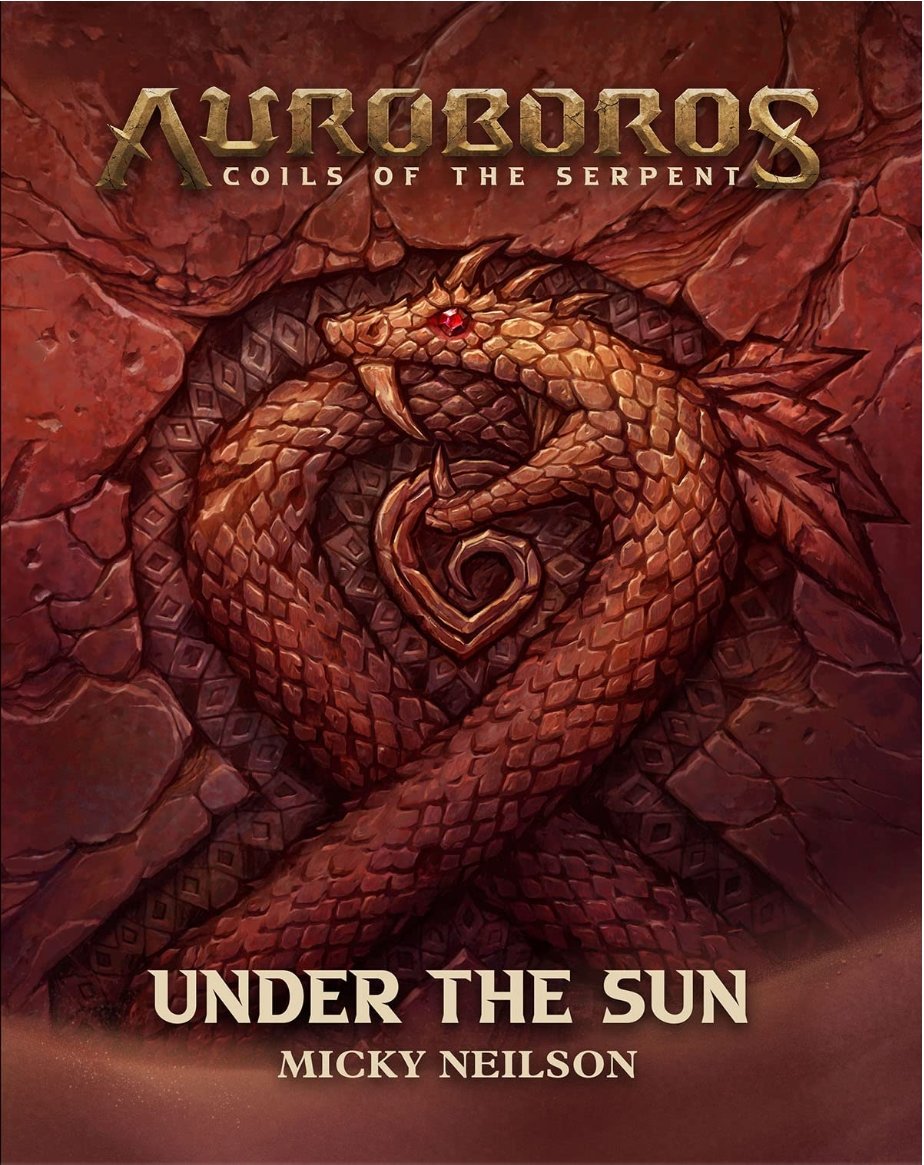
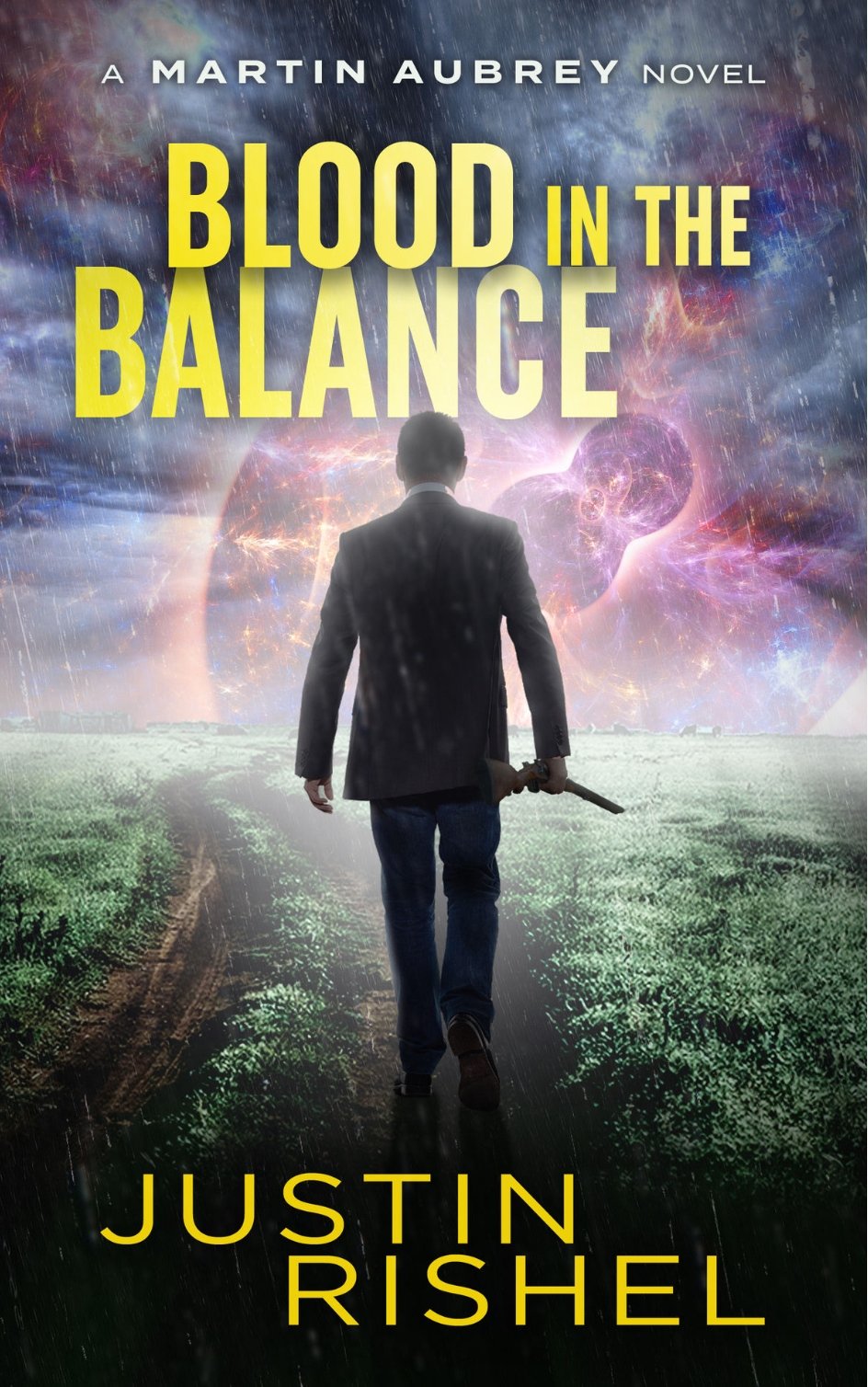
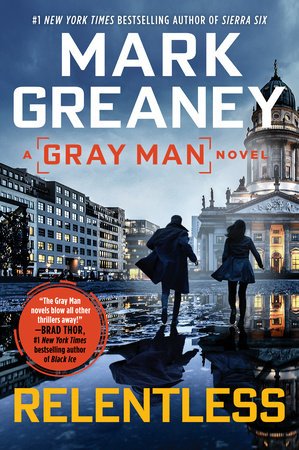
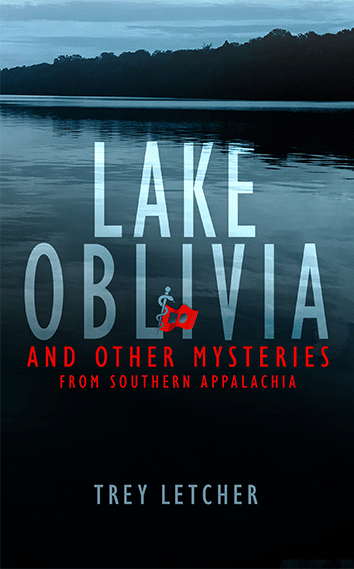
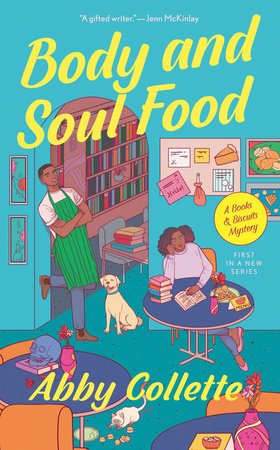
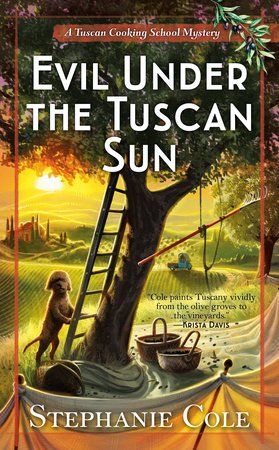
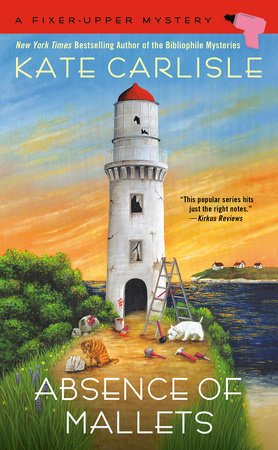
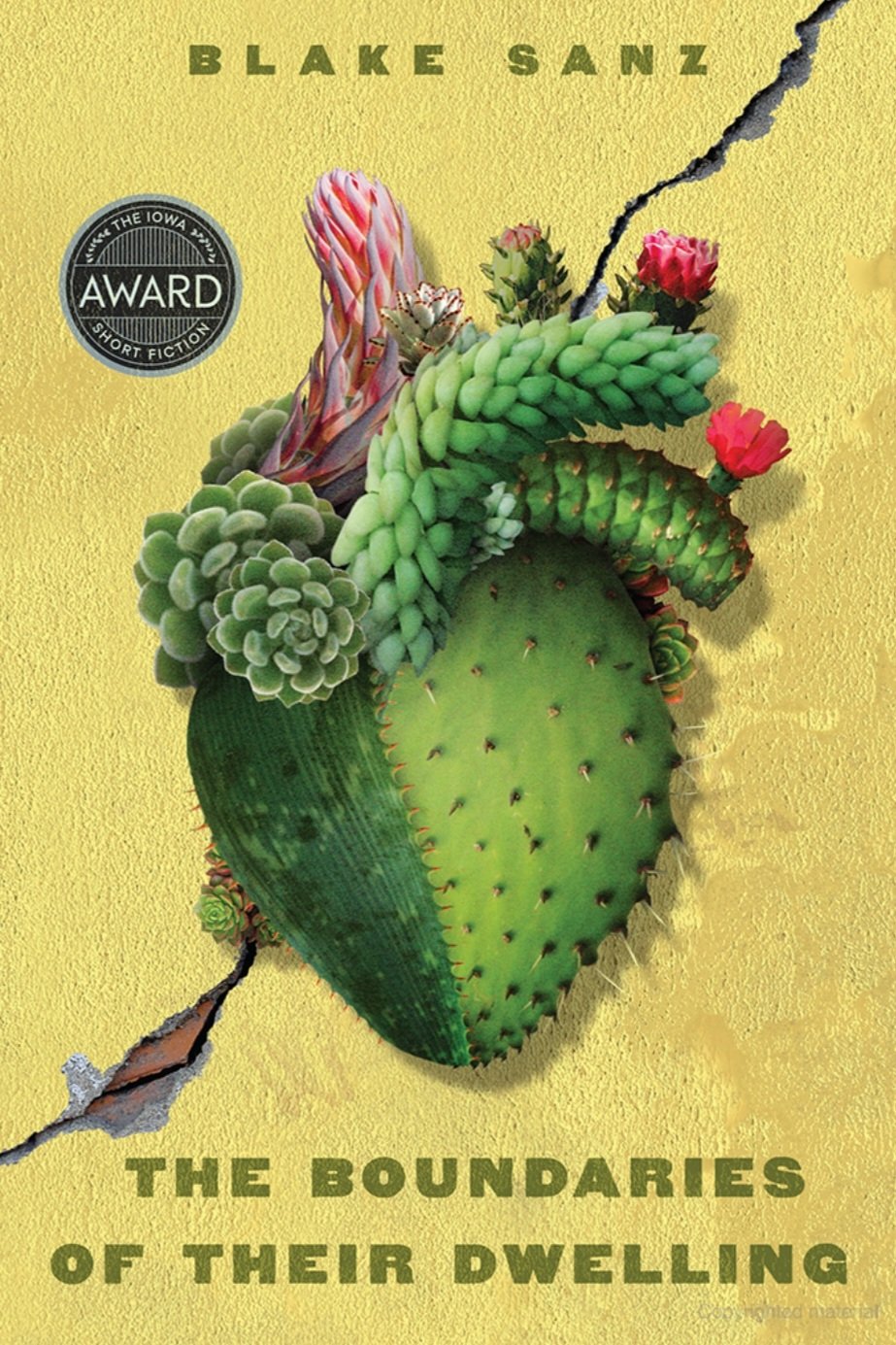
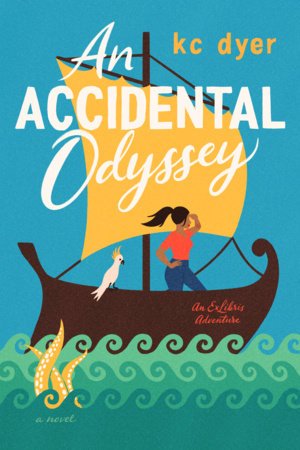
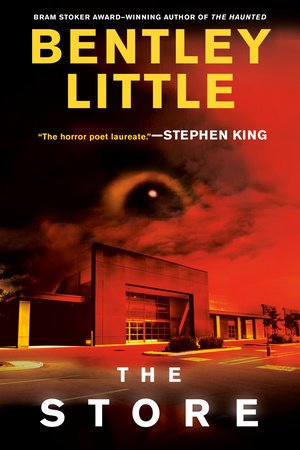
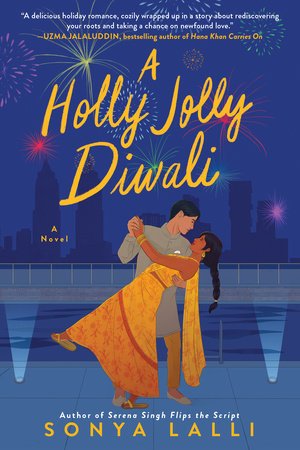
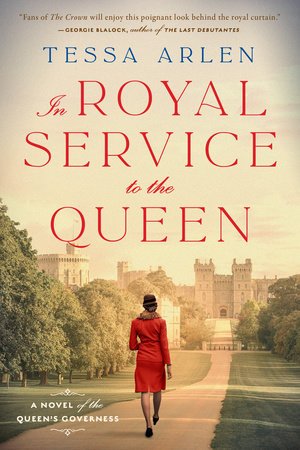
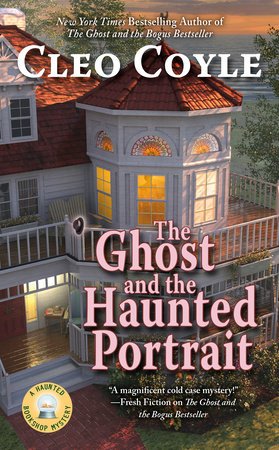
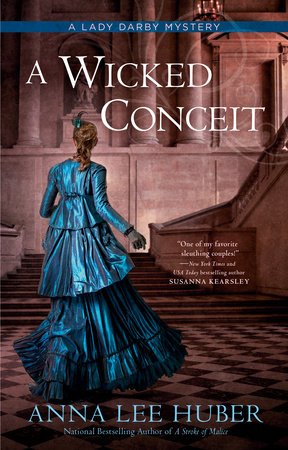
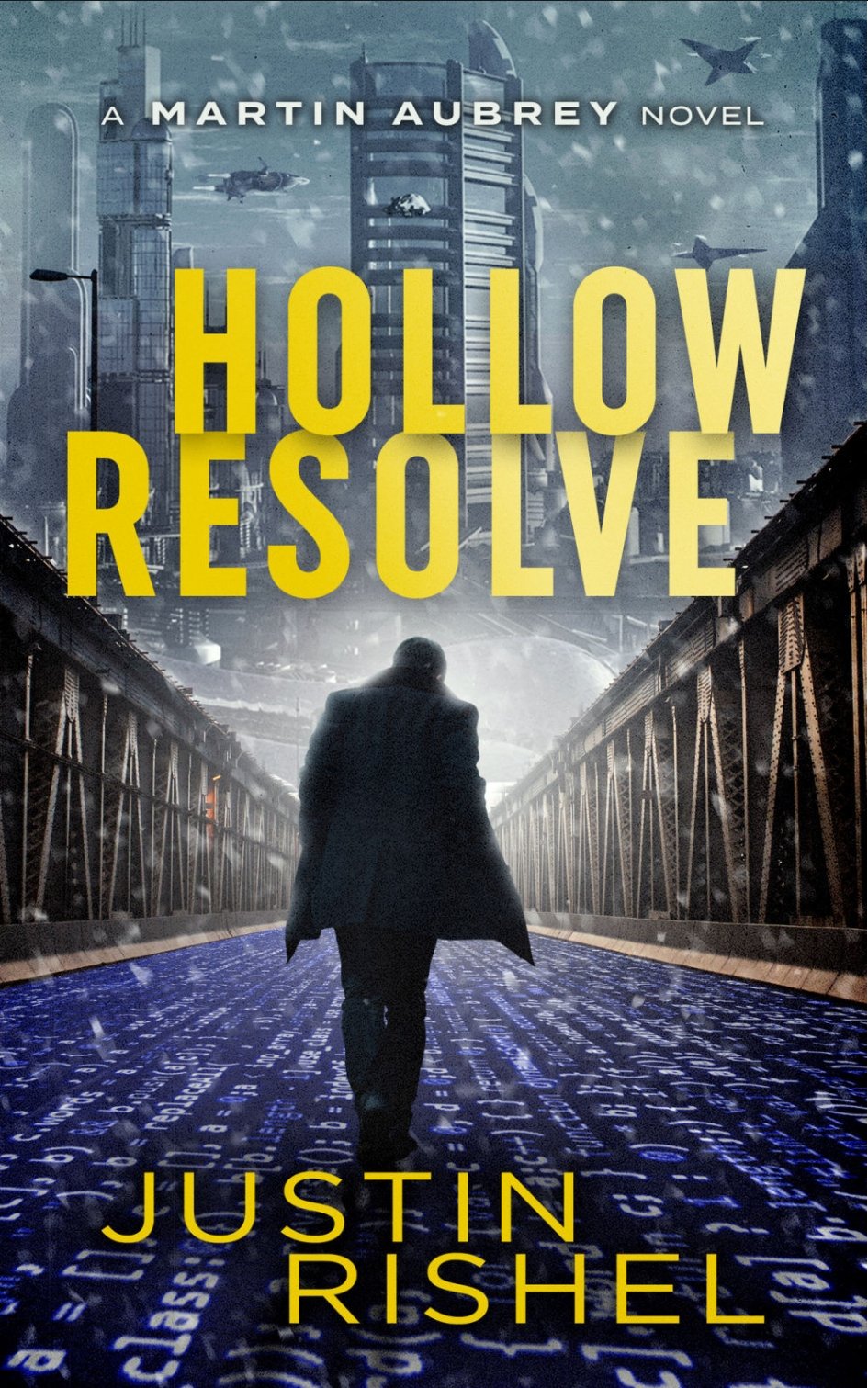
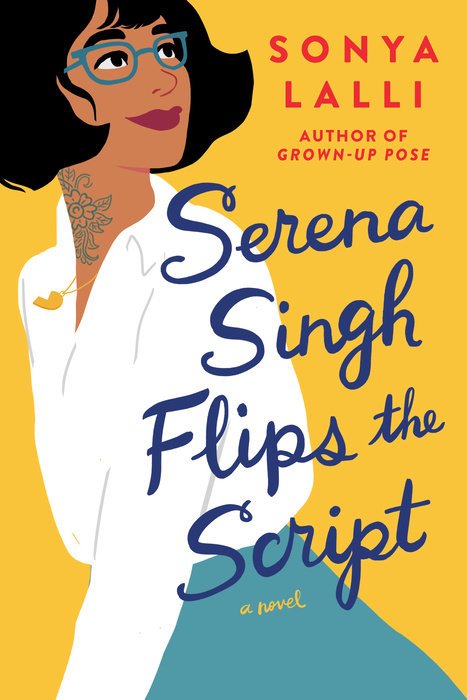
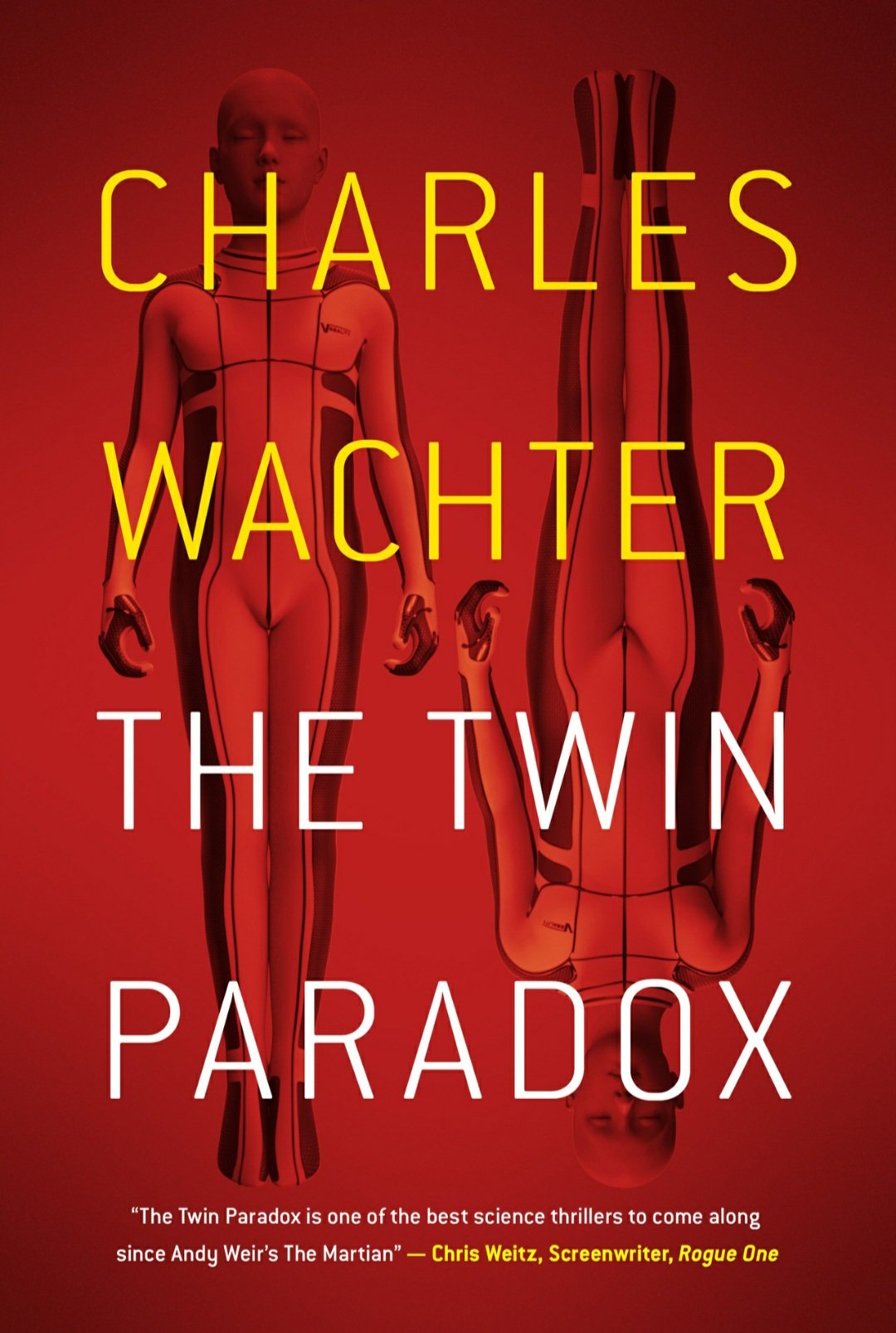
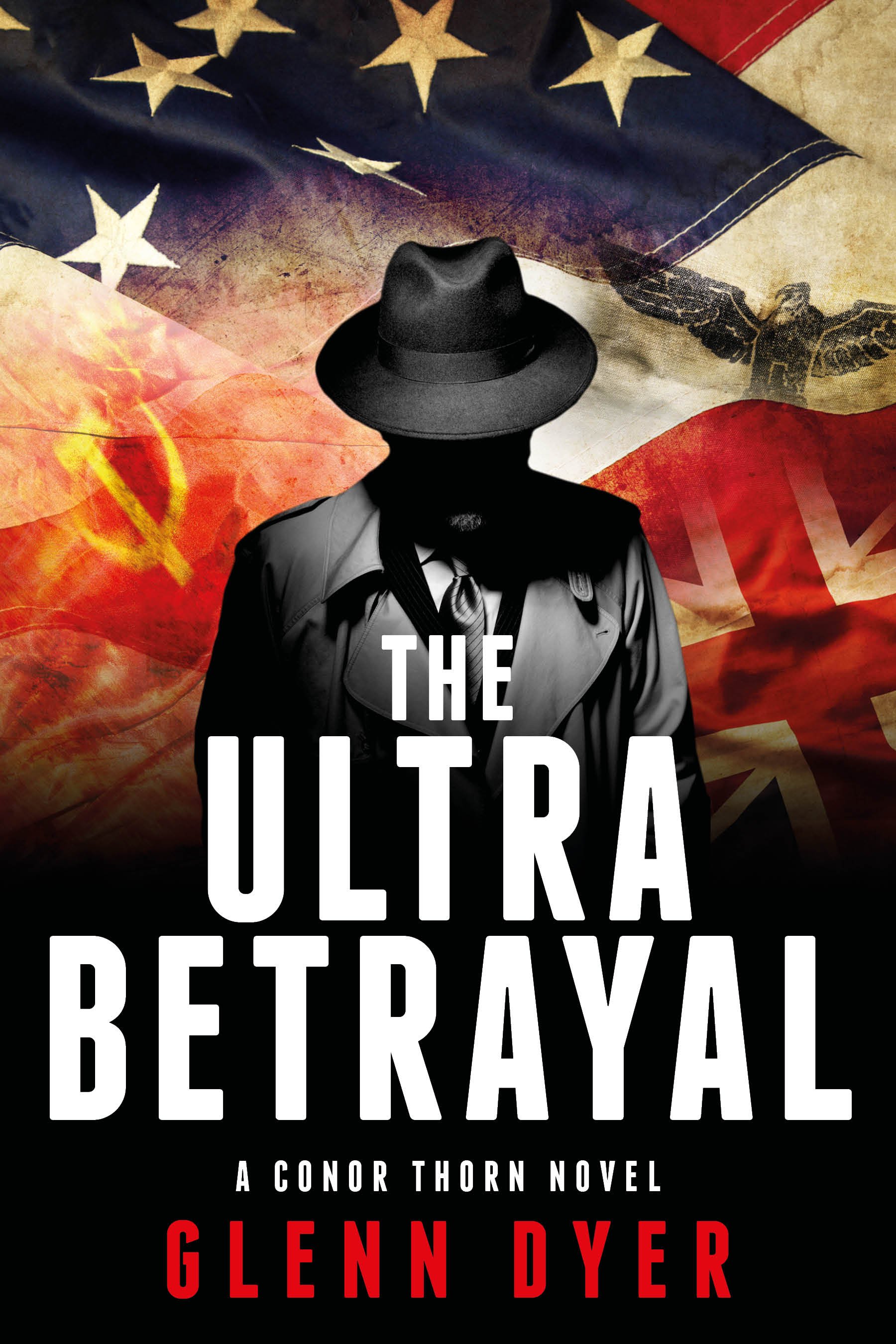
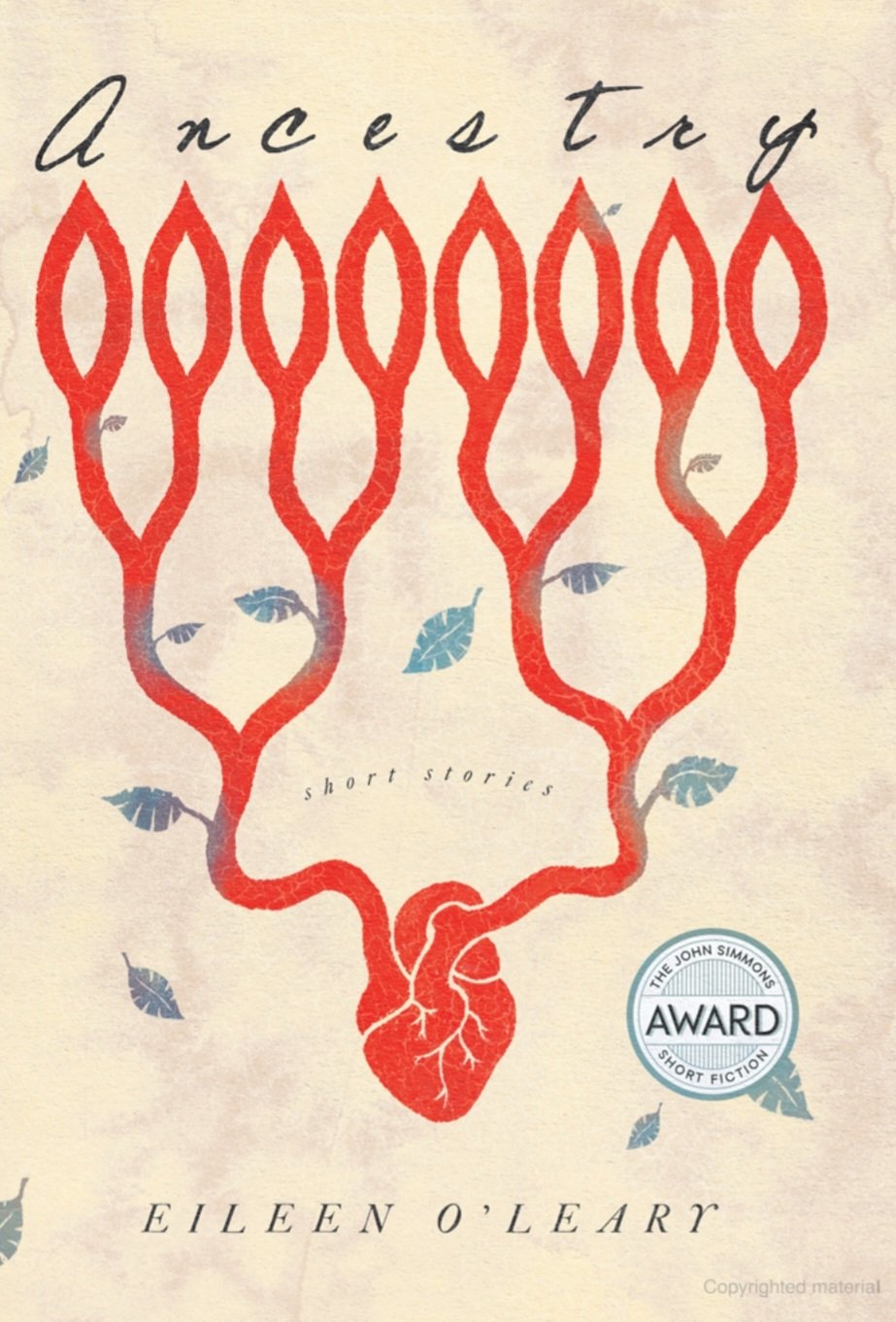
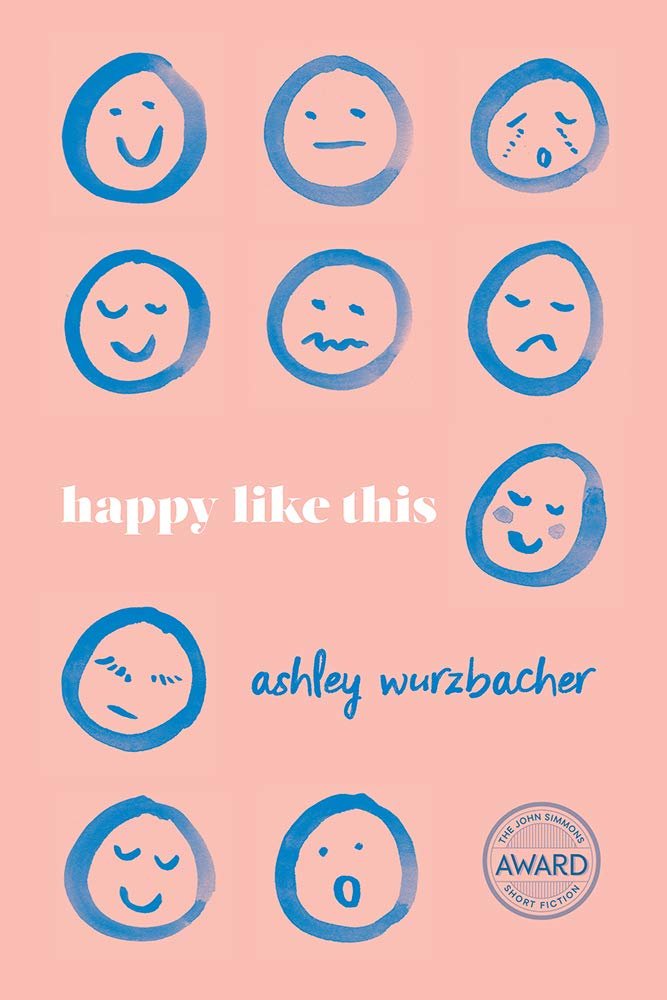
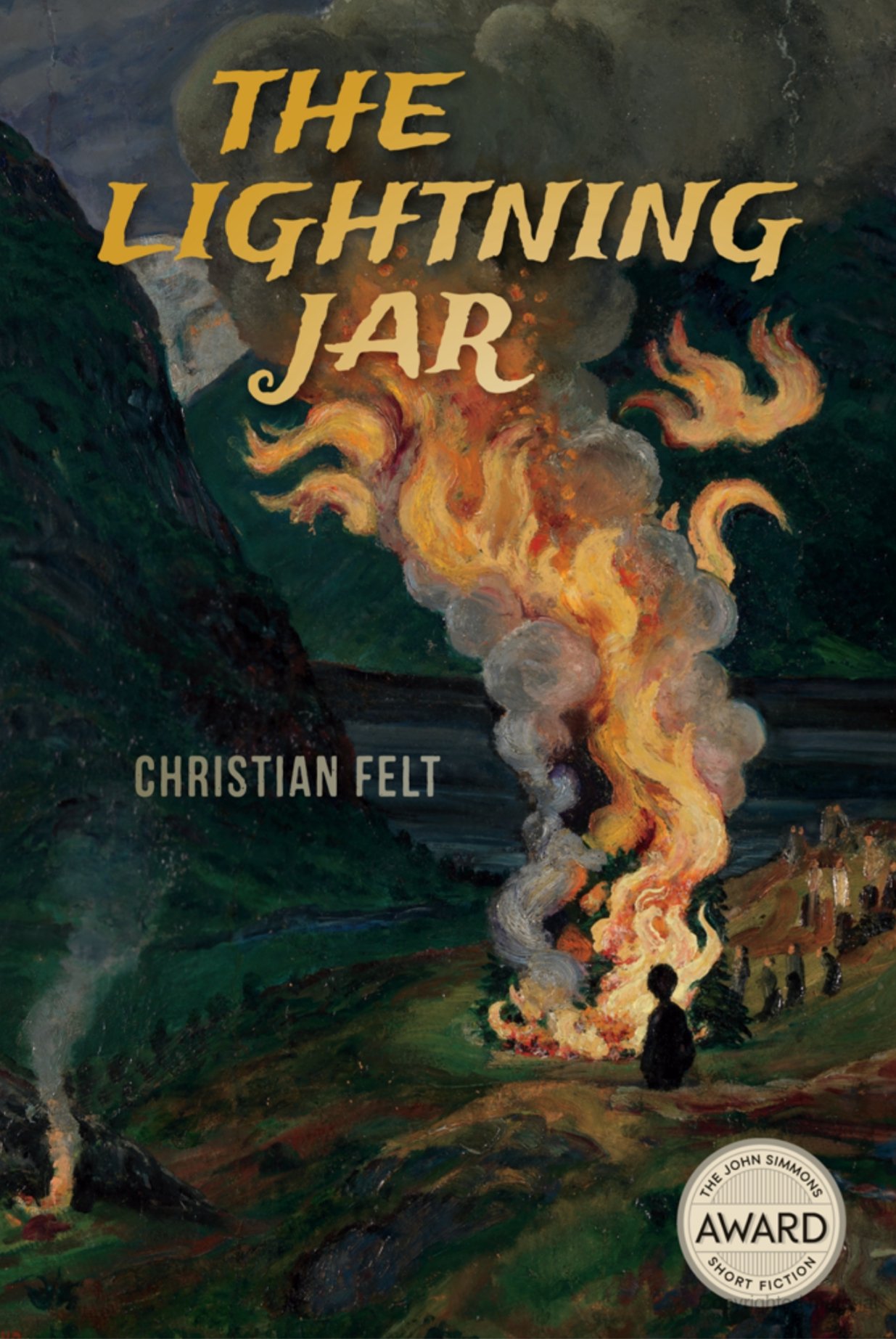
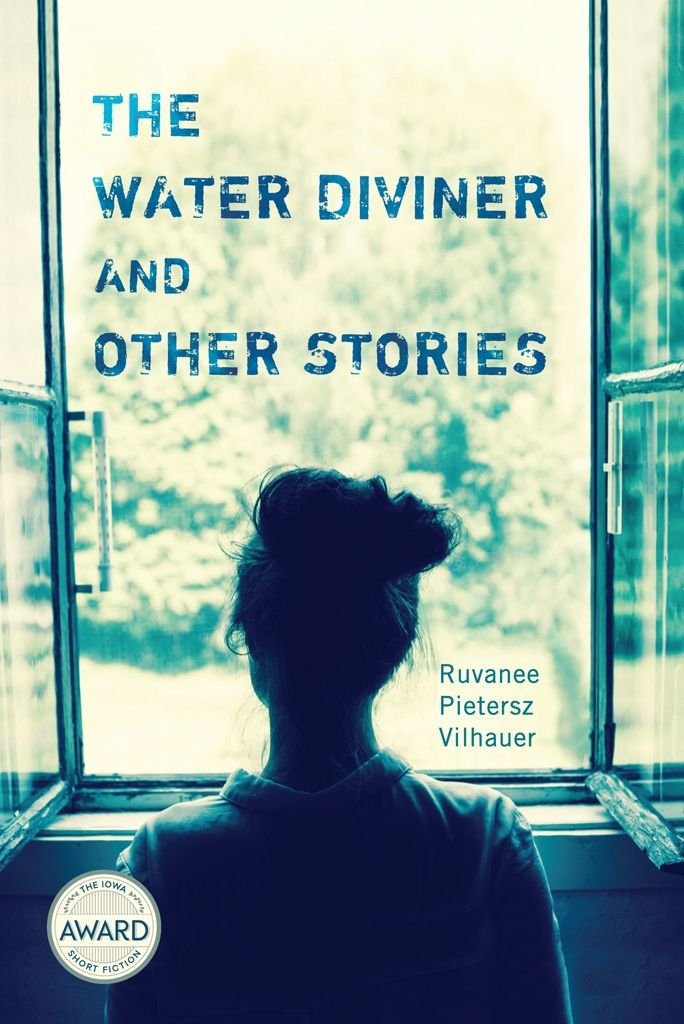
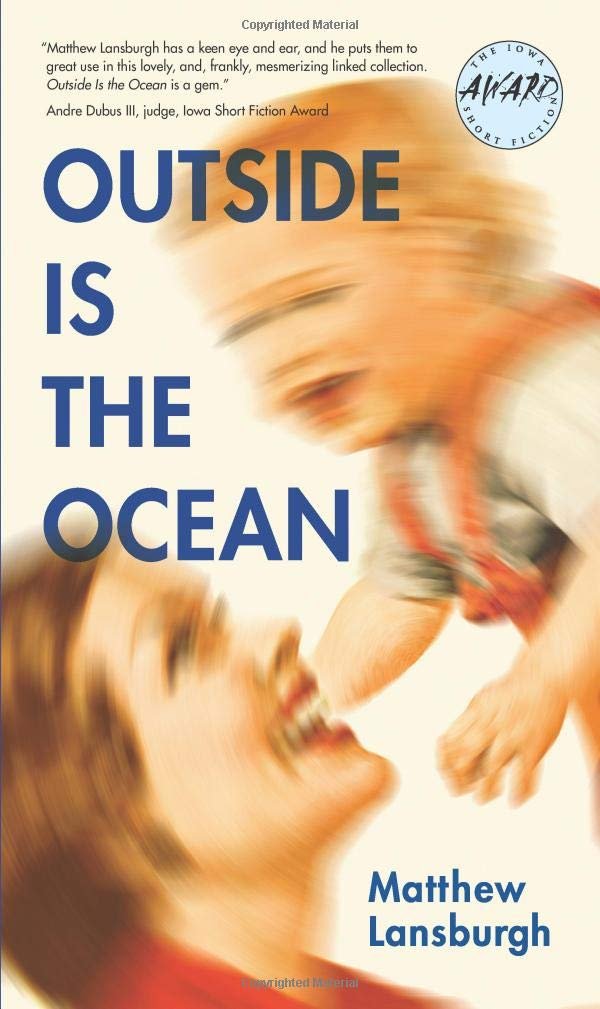
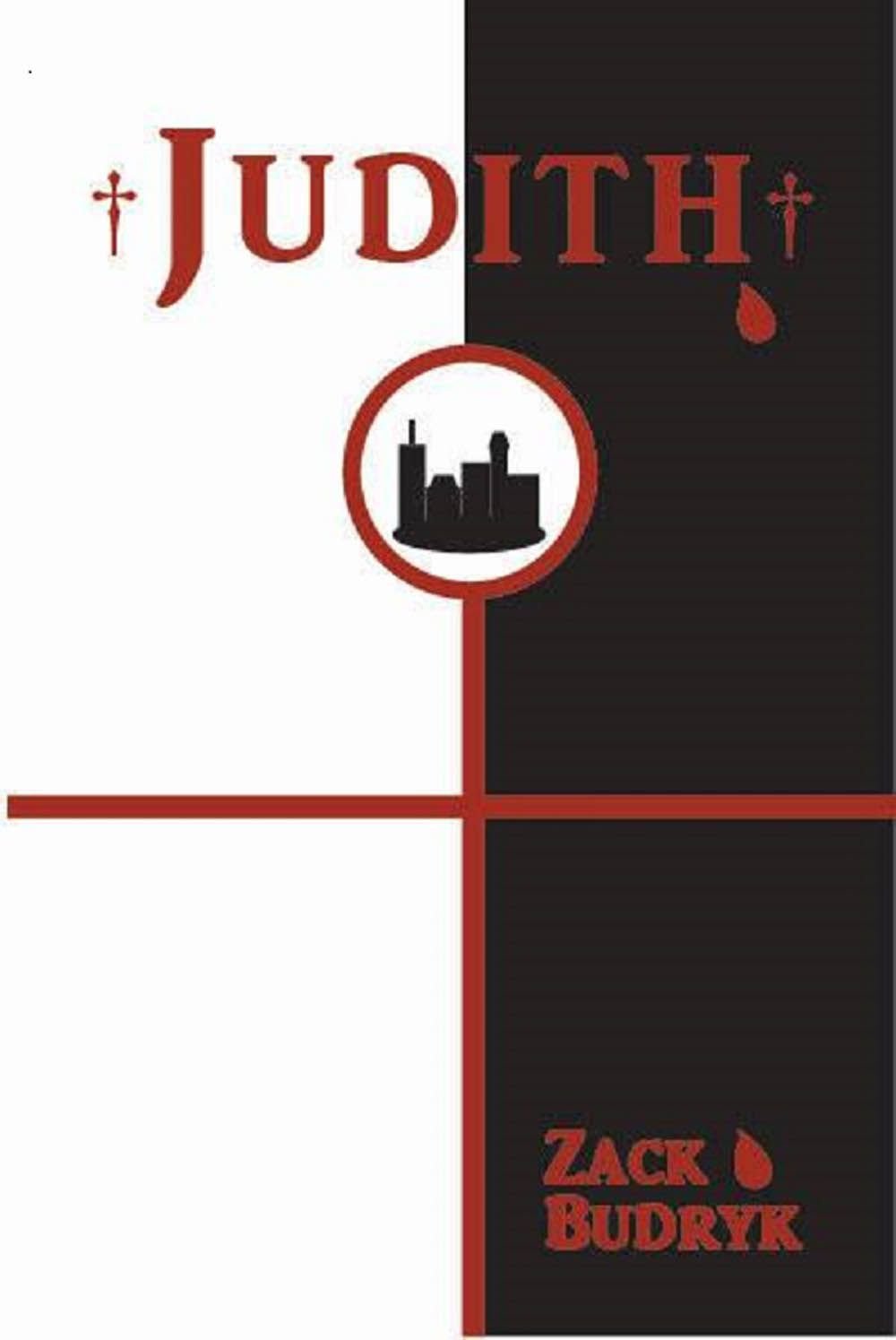
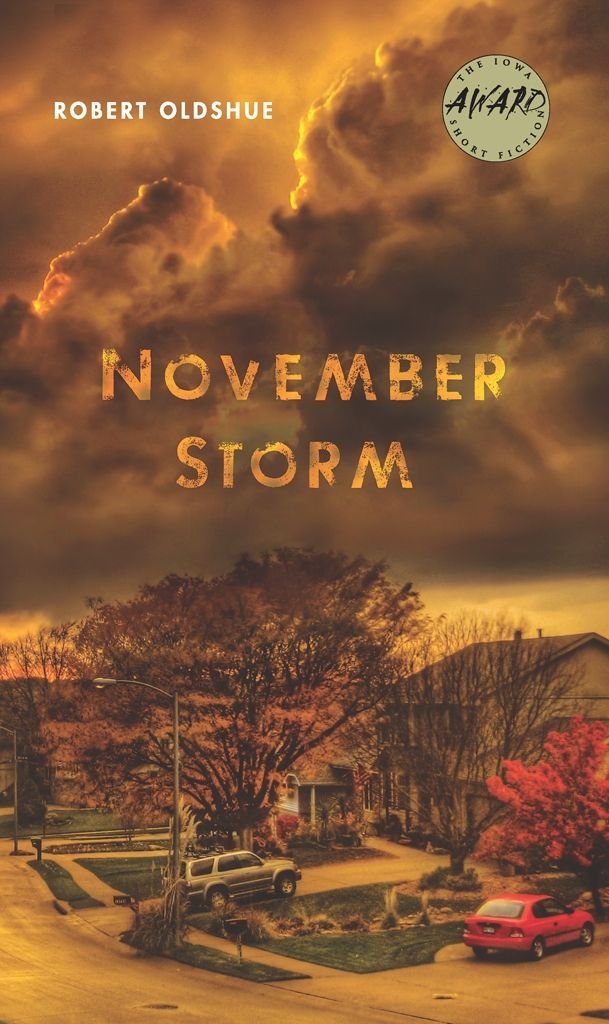
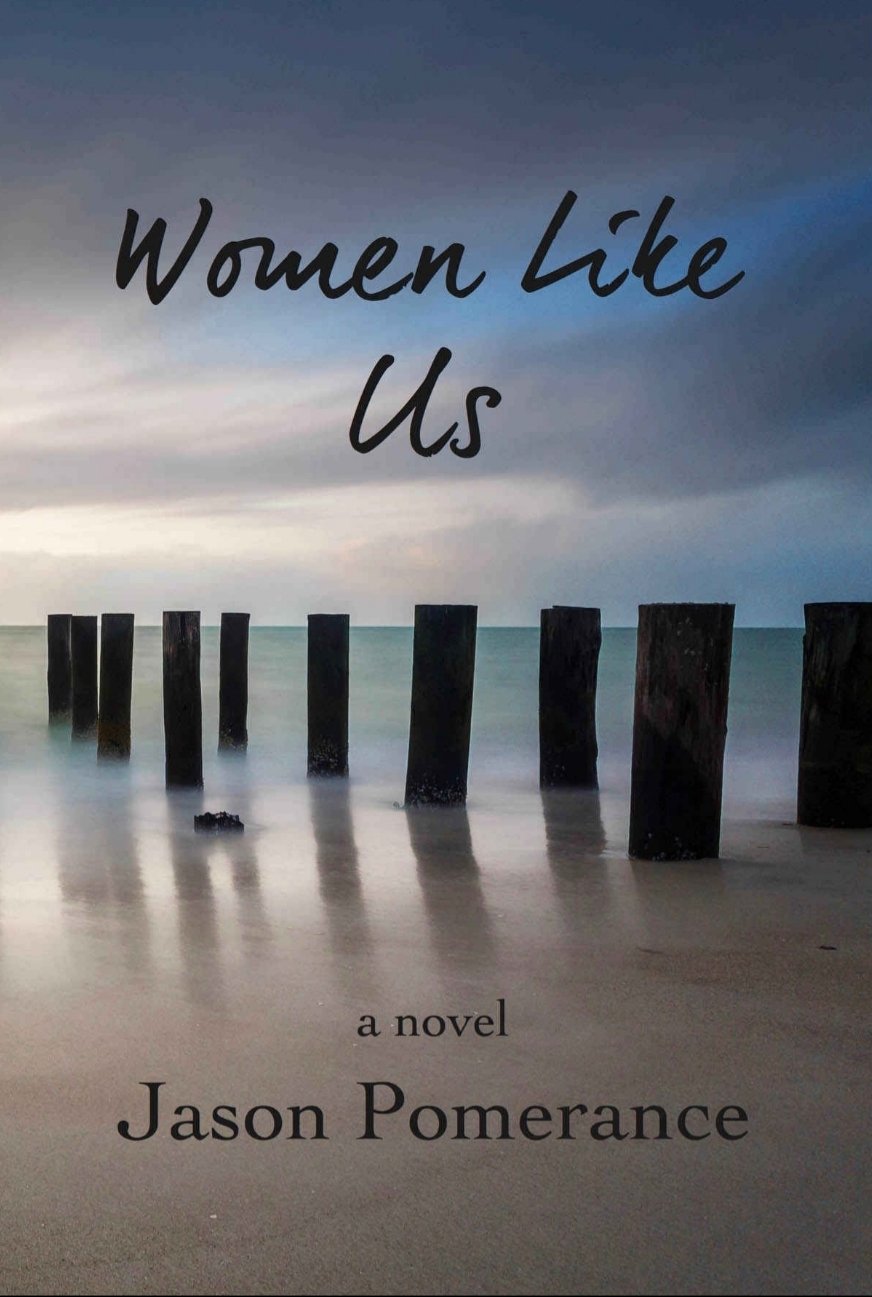
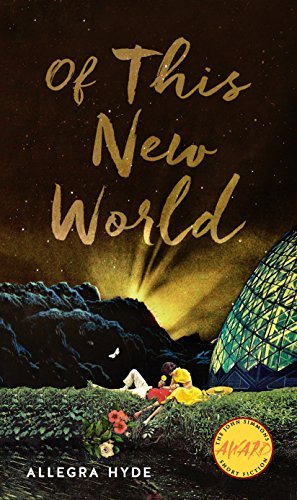
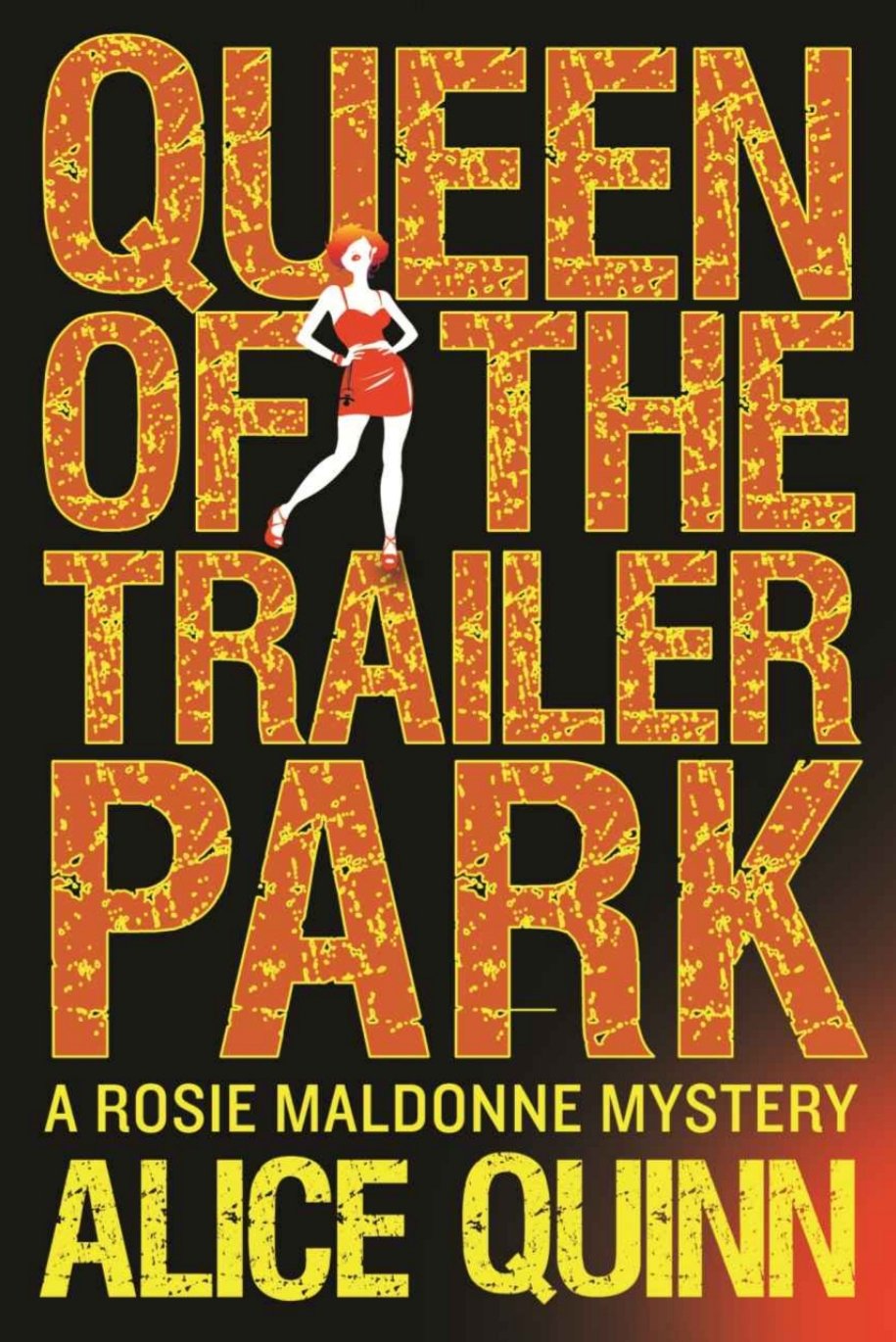
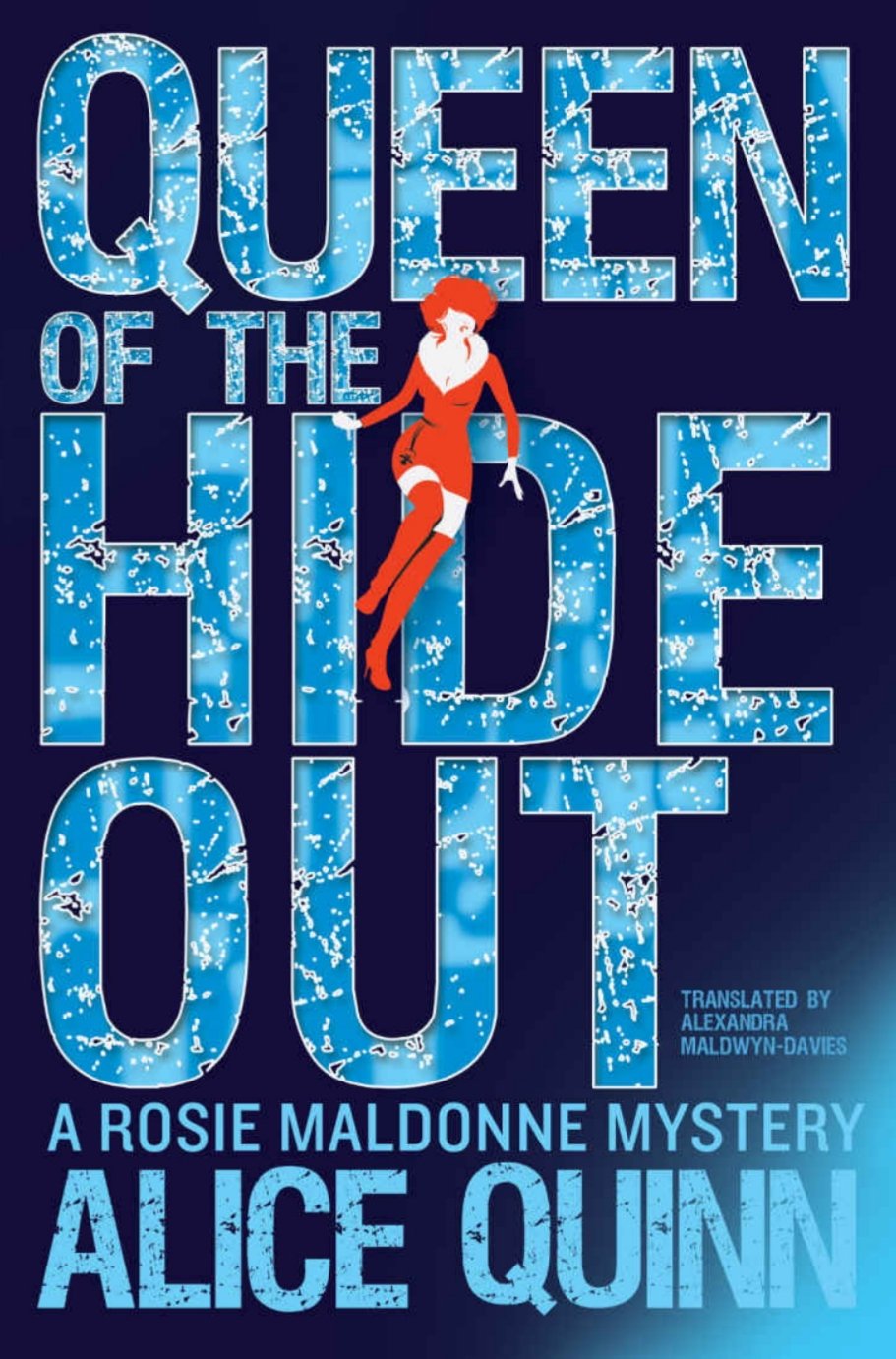

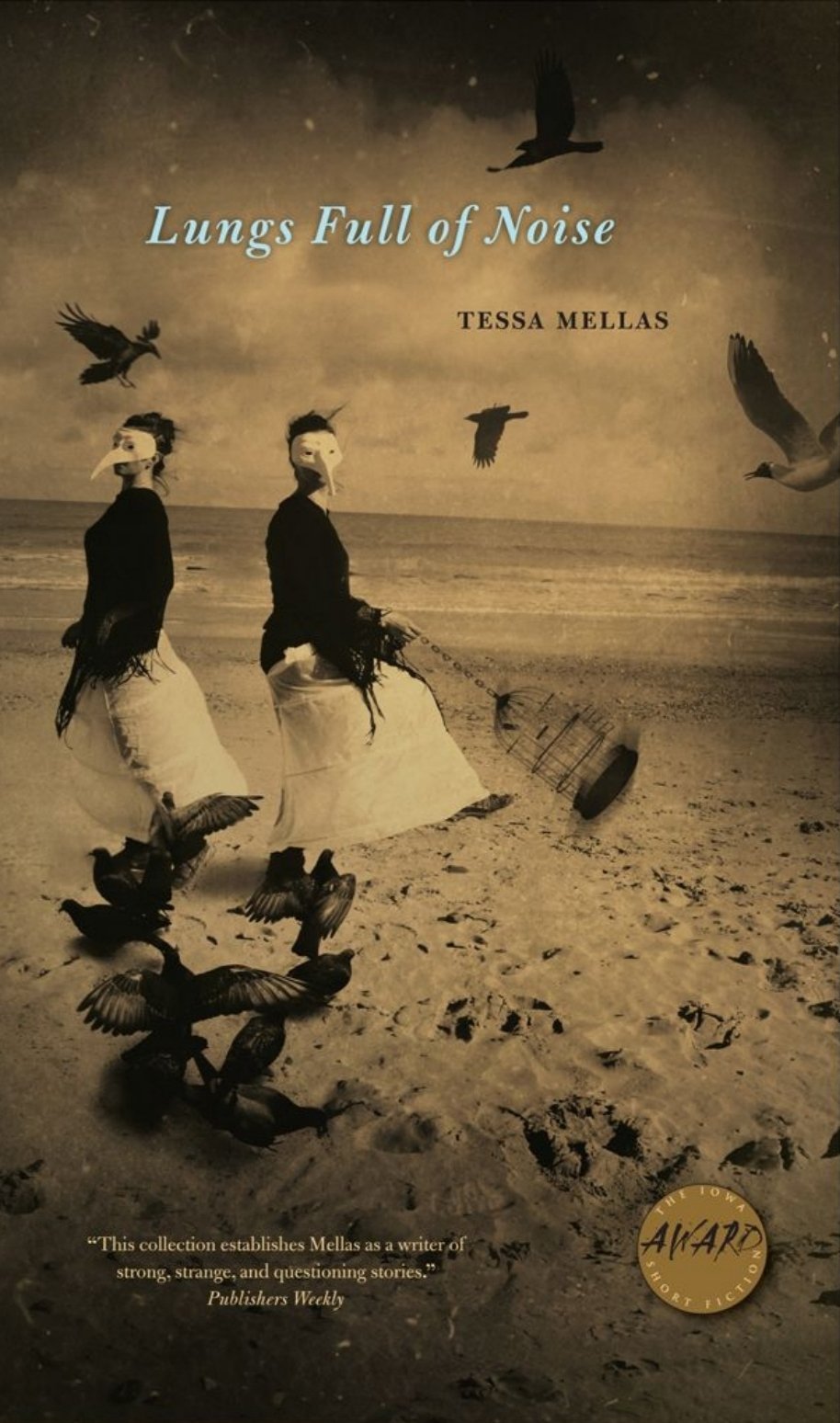
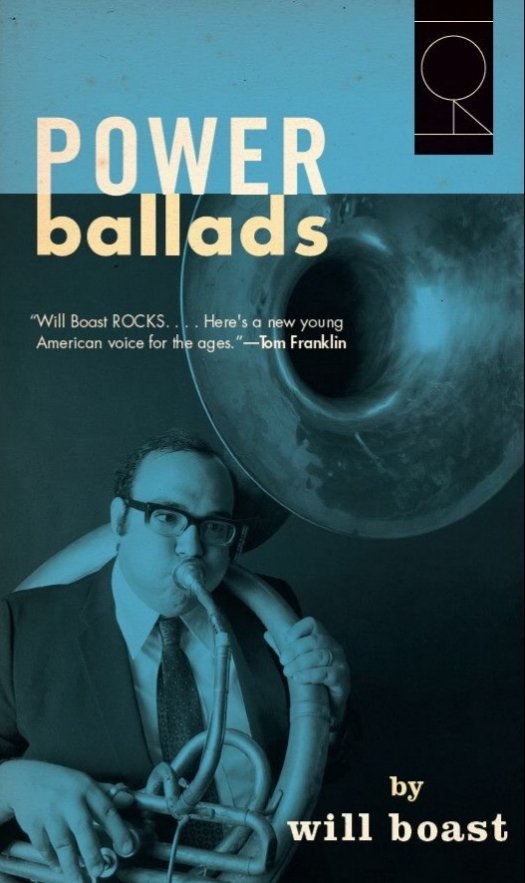
Click cover to visit publisher bookstore page
Contact
If you have a novel you’d like me to copyedit or proofread, please message me using this form, and I will be happy to provide you with a free sample edit to see if we could work well together.
Note: I do not currently provide developmental editing, editorial assessments, or beta reading, but I recommend that you seek those services out before moving on to copyediting and proofreading, preferably through the EFA, ACES, or Reedsy.
